
Comparison
MIG vs TIG vs stick vs flux-core
All four processes in one table, and the honest answer about which to learn first.
All 56 of them, grouped by level. If you do not yet know which level you are, start at Find Your Level.
Most bad first welder purchases are not bad machines. They are the right machine bought by the wrong person, one level too early or one level too late.
Comparison
All four processes in one table, and the honest answer about which to learn first.
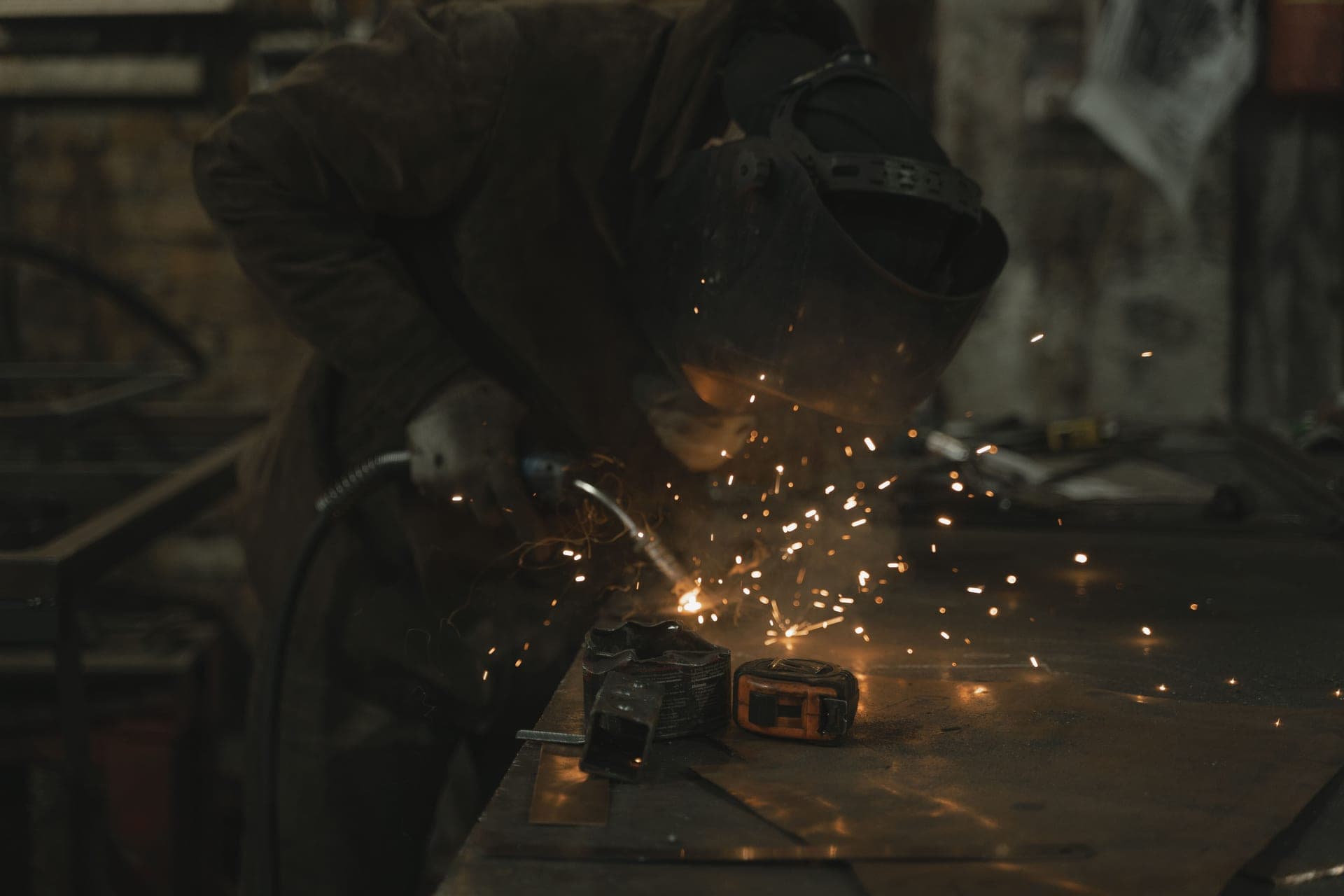
Guide
Ten causes behind most bad first welds — including the two that look like machine faults.

Guide
Everything that is not the welder, ordered by how much each item changes your results.

Guide
A project sequence where each one teaches one new thing, matched to the machine you have.
Level 1
If you have never struck an arc, this is your page. One machine, a standard household outlet, and nothing else to buy before your first weld.
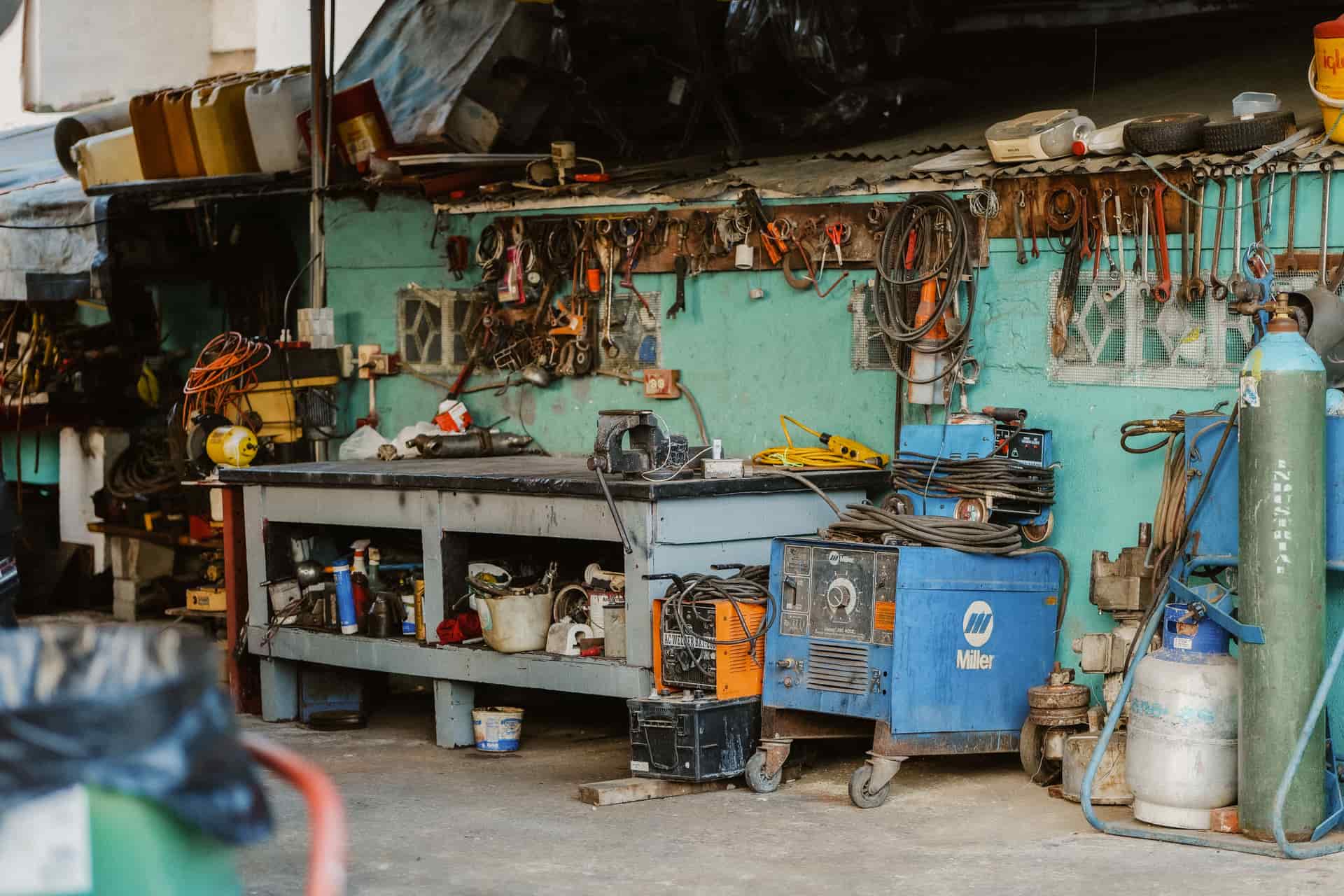
Best first welder
Gasless machines that weld the day they arrive, and the duty-cycle figure that separates them.
Our pick: Forney Easy Weld 261 140 FC-i
Guide
The one job a first welder has to do, and the four specifications that decide whether it does it.
Best at the entry end
The entry end of the flux-core market, what you give up there, and why we quote no prices.
Our pick: Lincoln Electric Handy Core (K2278-1)
Comparison
Where the shielding comes from, and how that one difference changes everything downstream.

Full guide
Drag or push, polarity, reading your first bead, and what to change when it is wrong.
Reference
Starting settings by thickness, and a symptom-by-symptom guide to fixing a bad bead.
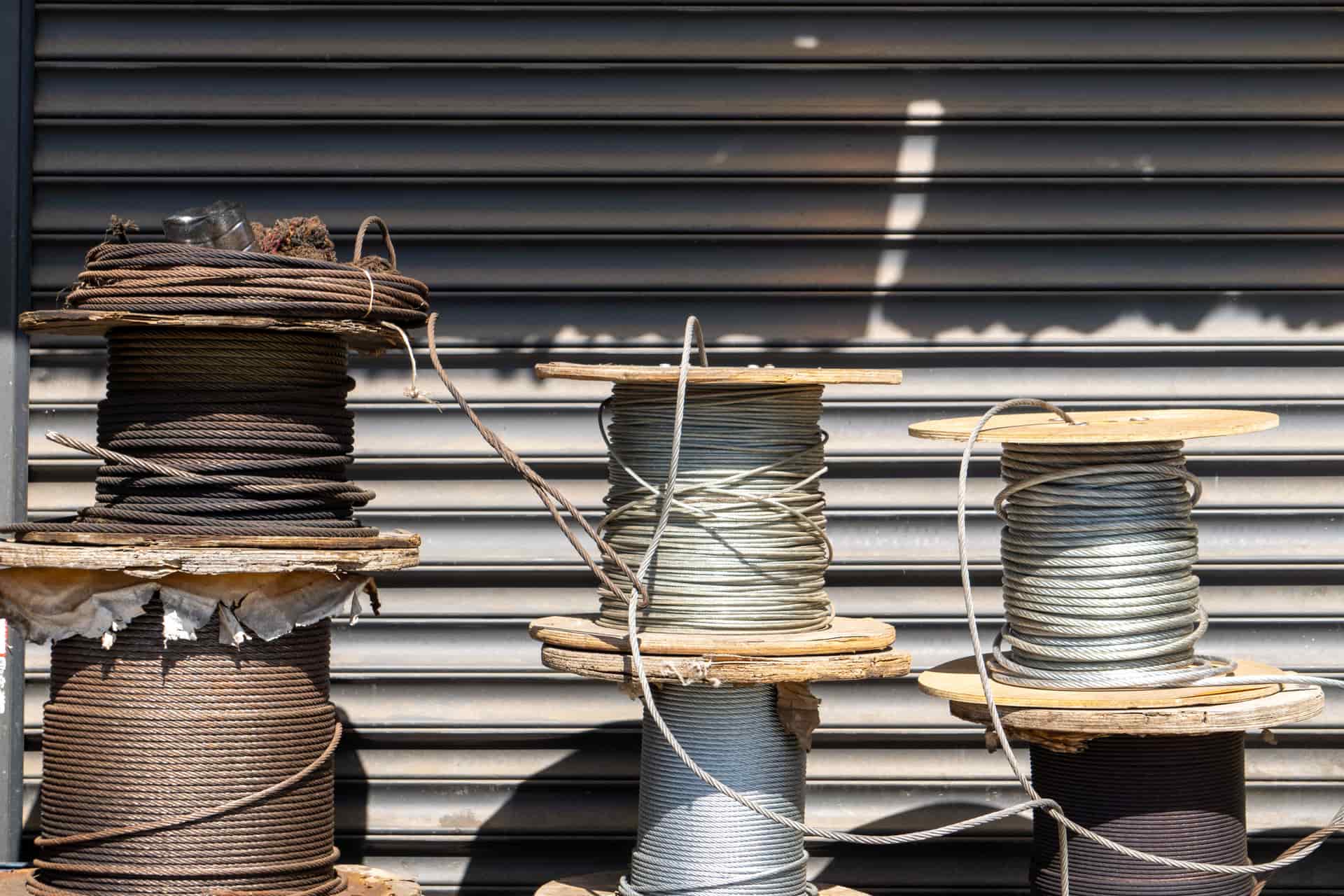
Reference
Which diameter for which thickness, and why the wrong wire looks like a machine fault.

Guide
No, and the reason is chemistry rather than technique. What to do instead, by budget.
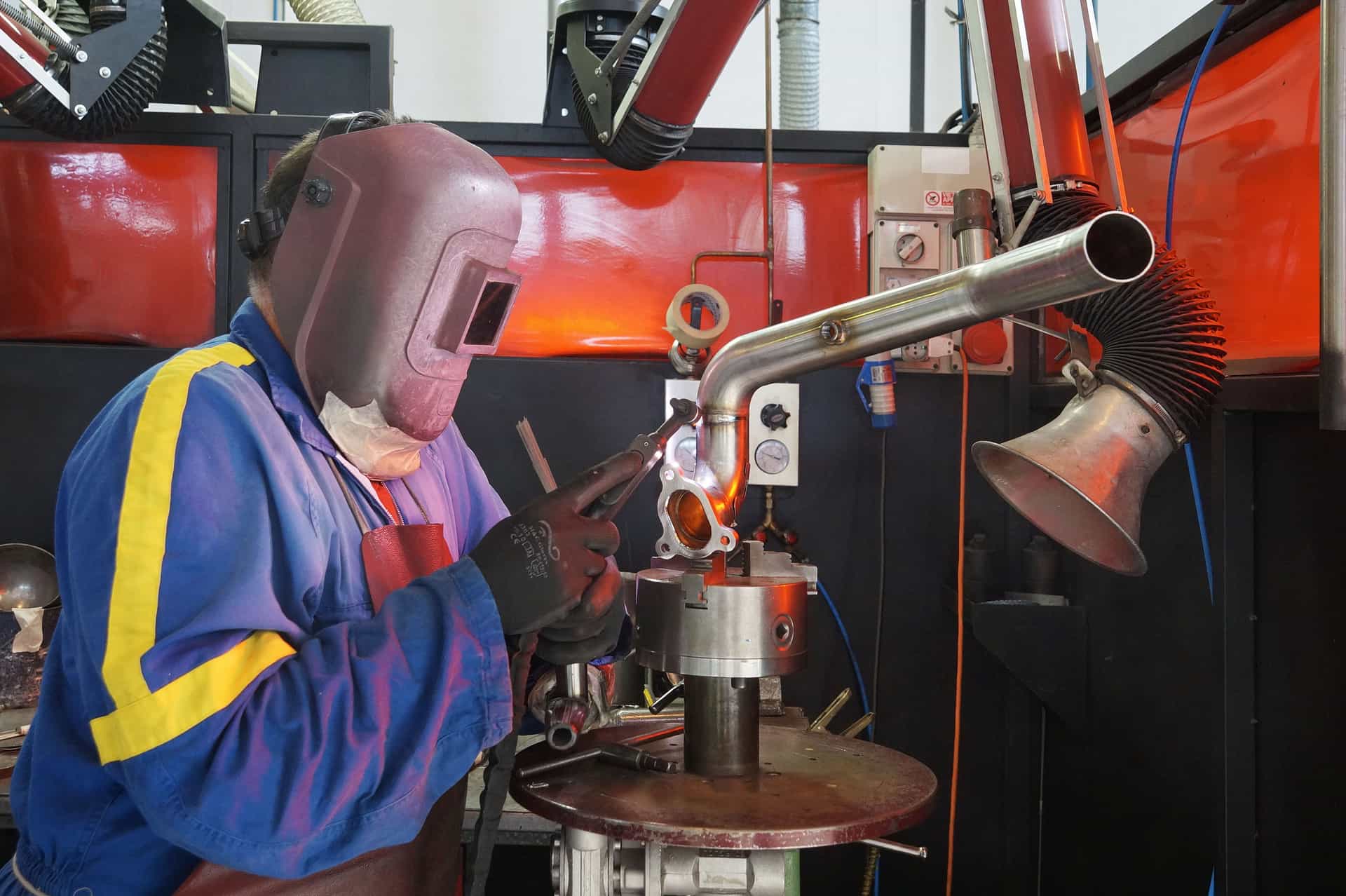
Safety
Fume, eyes and fire — including the risks that show up hours after you stop welding.
Comparison
Two processes that work outdoors on rusty steel — and why one is far easier to begin with.
Level 2
You can already lay a bead. This level is about what changes when you add a gas bottle — and about being honest that it is not only an upgrade.
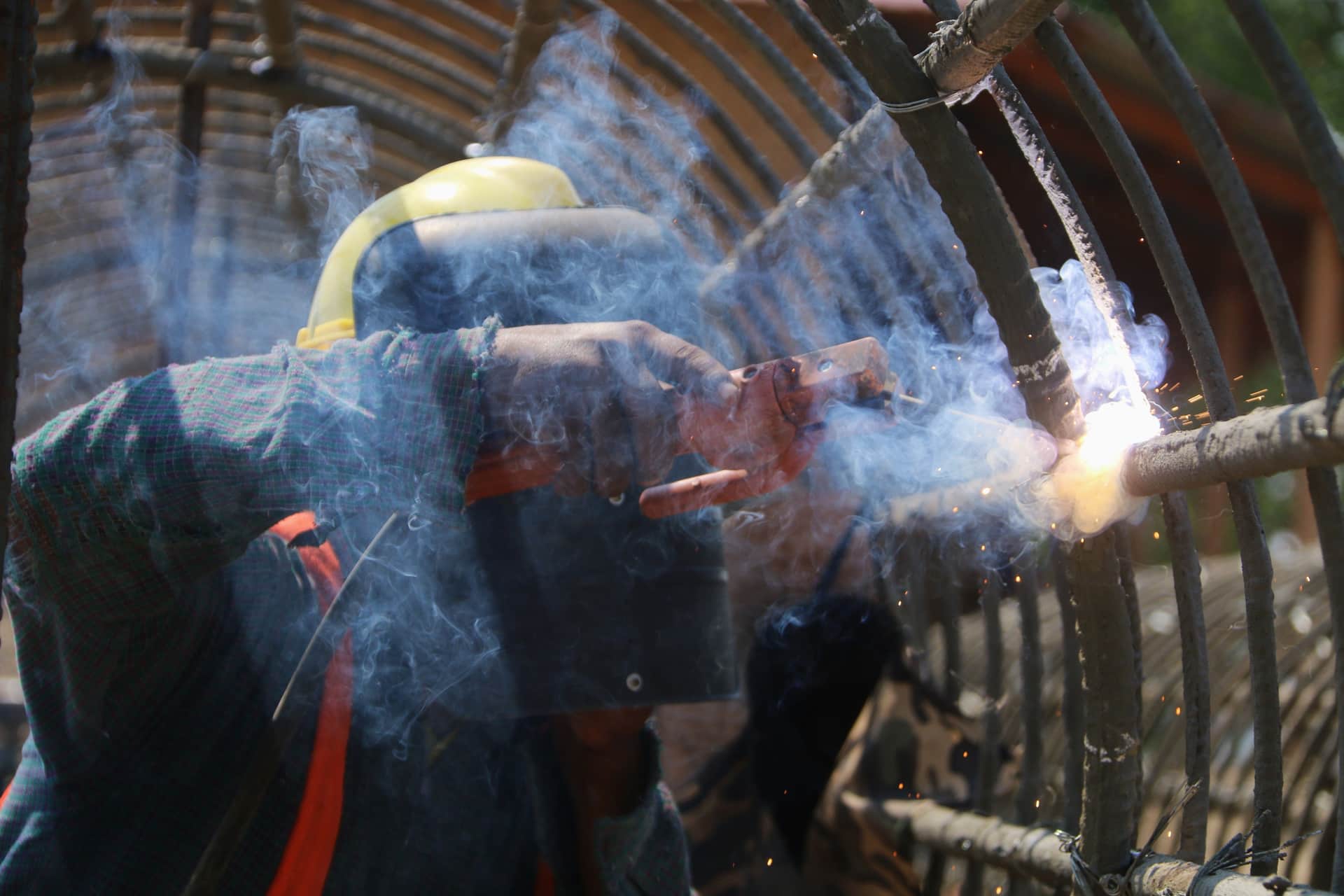
Best first gas machine
Gas-capable machines for a home shop, and the one specification that makes learning MIG easier.
Our pick: Hobart Handler 140
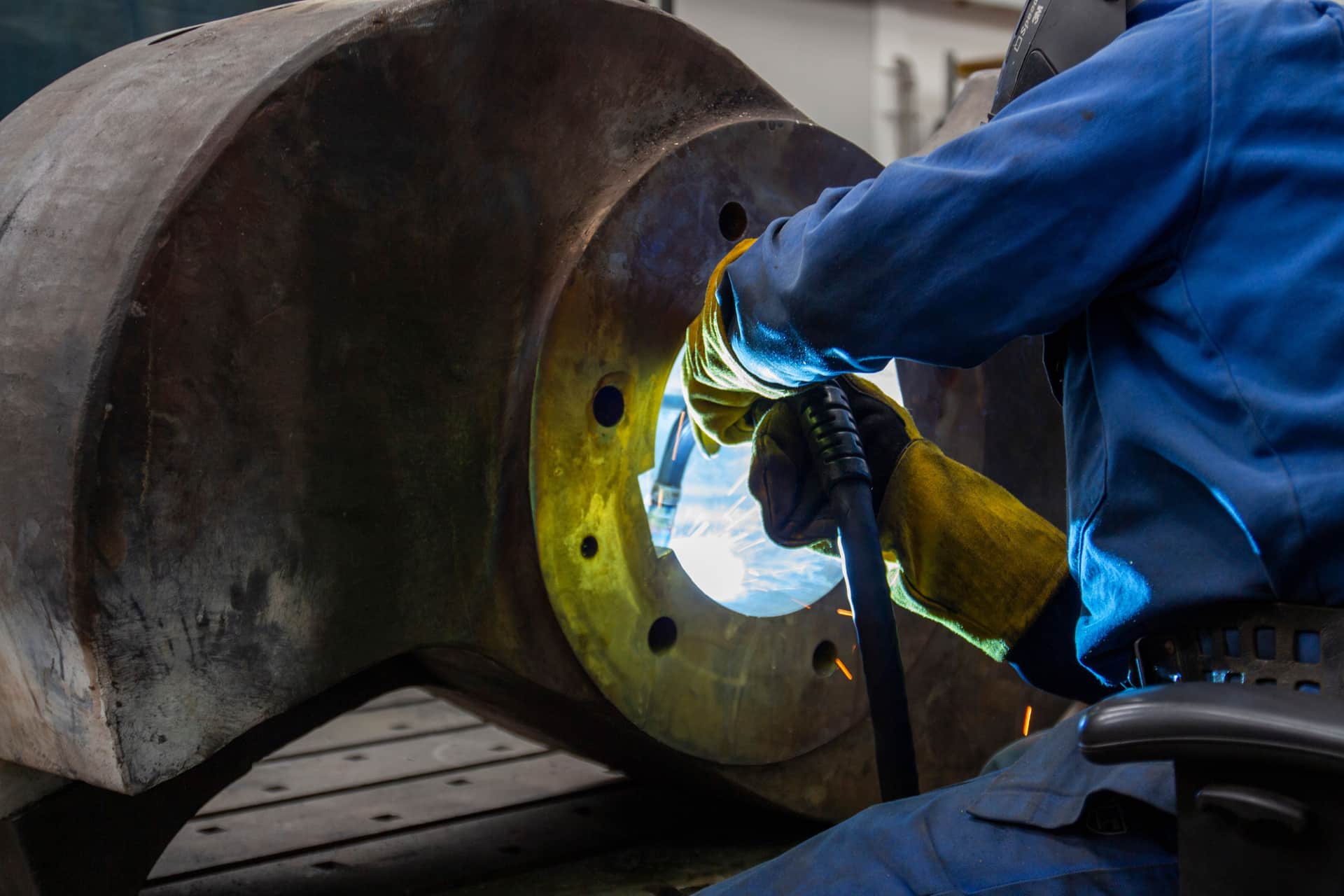
Best multiprocess
When a multiprocess machine is genuinely right, and which of the extra modes are real.
Our pick: YESWELDER MIG-205DS PRO

Best for sheet metal
Thin panels need low controllable heat, not power. Which machines deliver it and which wire to run.
Our pick: Hobart Handler 140
Comparison
One control versus three. What that difference buys, and the jobs only one of them can do.
Comparison
Stick handles rust, wind and thick plate; MIG is faster and cleaner. Why most shops want both.
Full guide
Push or drag, setting voltage and wire speed, the sound of a good arc, and first projects.
Reference
Starting settings by thickness, plus symptom-by-symptom diagnosis for a bad MIG bead.
Guide
Yes, with a spool gun, argon and aluminum wire. What the result looks like, and when TIG wins.
Guide
Stitch welding, heat management and copper backing — the techniques thin sheet actually needs.
Level 3
TIG is slower, harder and more expensive than wire welding. It is also the only way to weld aluminum properly at home, and the only way to get a bead you would photograph.
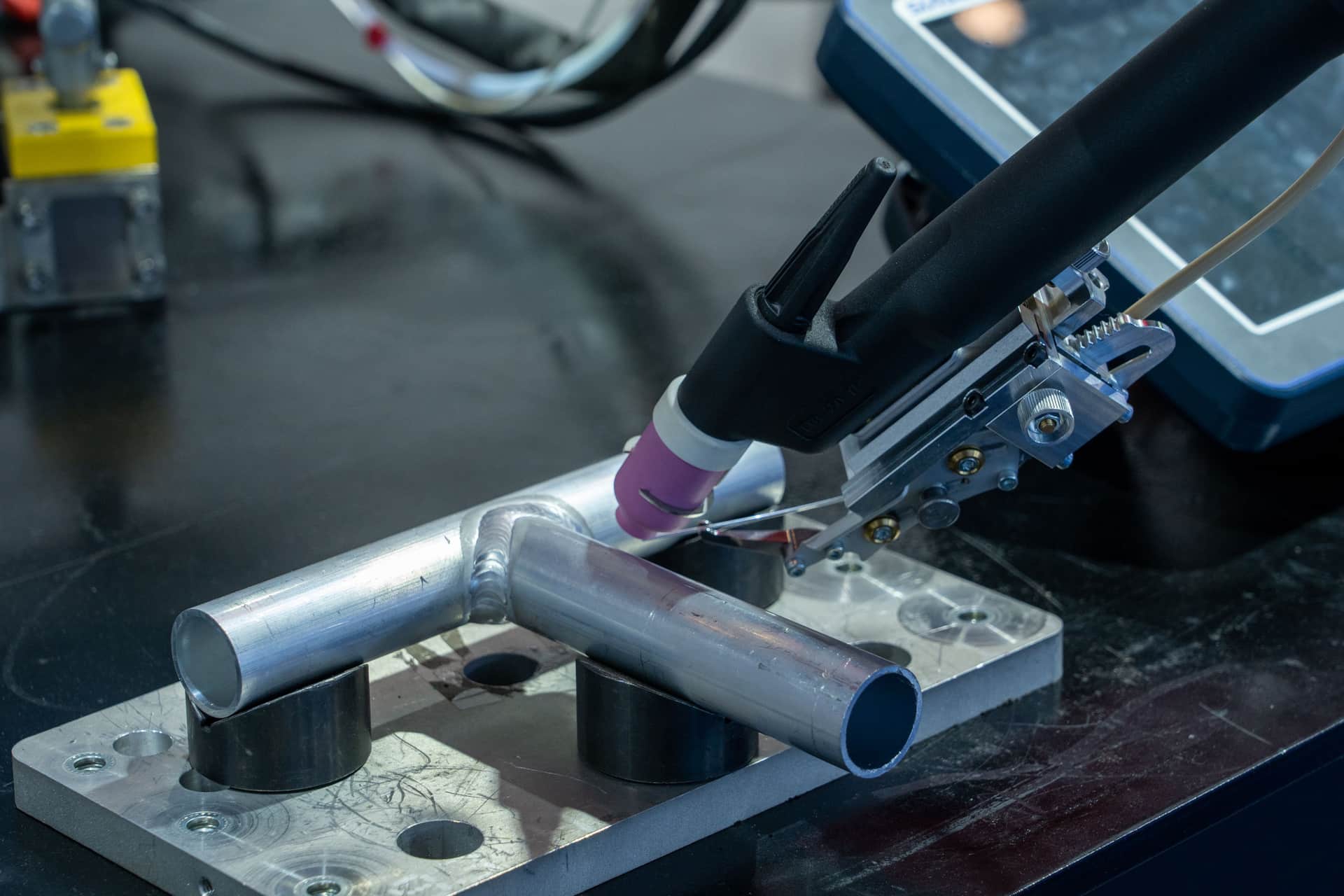
Best first TIG machine
AC/DC machines for a first TIG setup, and why the bundled torch matters as much as the welder.
Our pick: AHP AlphaTIG 200X
Best for aluminum
AC output, balance and frequency are what weld aluminum. Which machines give real control.
Our pick: PrimeWeld TIG225X
Comparison
What AC output does, why DC cannot weld aluminum, and how to decide before you buy.

Full guide
Torch angle, arc length, feeding rod — the order to learn TIG in so it stops feeling impossible.
Reference
Amperage, tungsten and filler size by metal and thickness, plus symptom-by-symptom diagnosis.
Comparison
How to decide by thickness and by whether the weld will be seen. Both processes work.
Best value AC/DC
What the value end of the AC/DC TIG market compromises, and the upgrade that changes most.
Our pick: AHP AlphaTIG 200X
Level 4
The only rung on this ladder that is about shaping metal rather than joining it — and the one where the machine is the smaller half of the purchase.
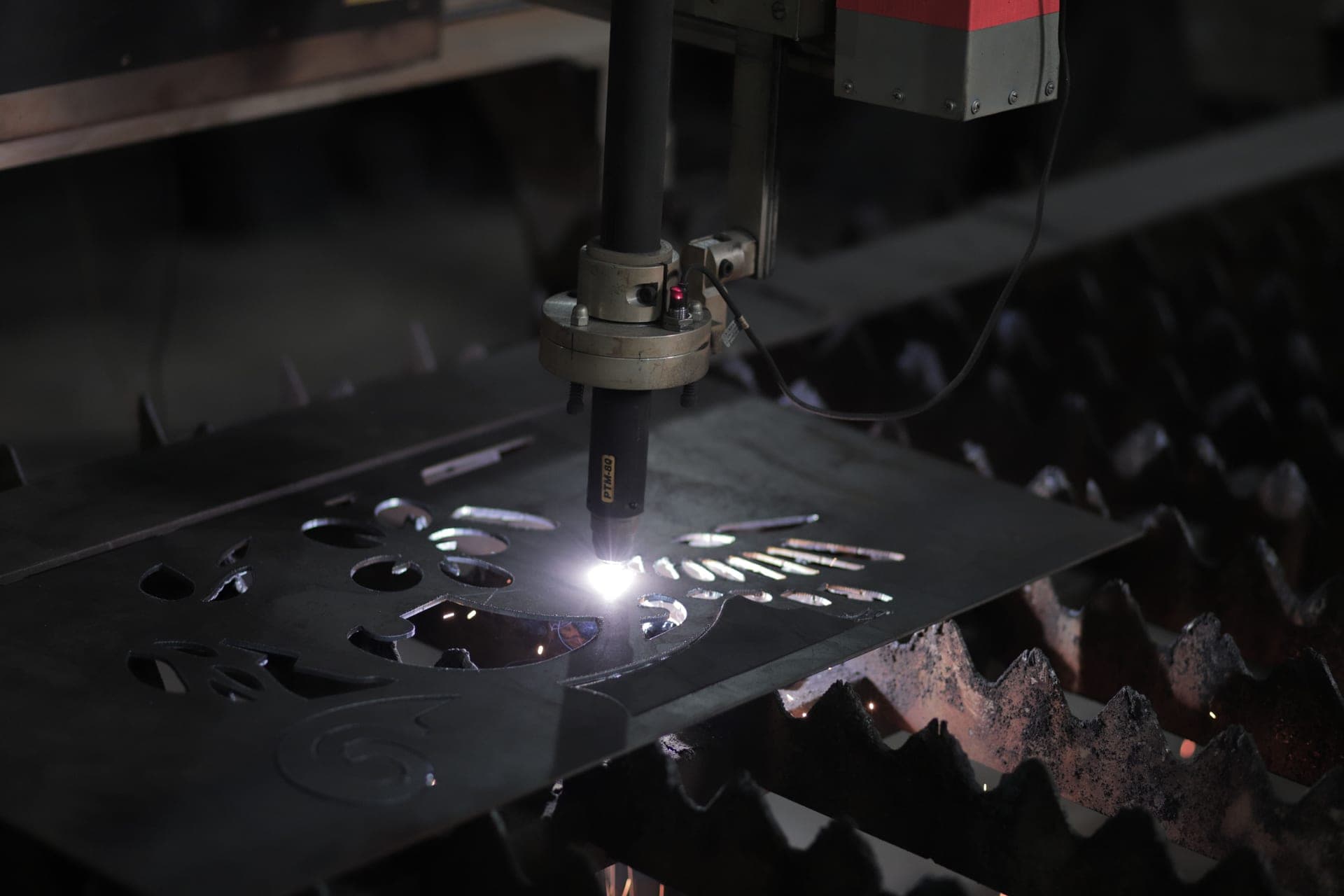
Best for a home shop
Home-shop machines, why the compressor is the real purchase, and how to read cut-capacity numbers.
Our pick: Lotos LTP5000D
Best with built-in air
Internal-compressor machines: what you trade in capacity, and when that trade is right.
Our pick: Hypertherm Powermax30 AIR
Best at the entry end
What entry-level plasma cutters compromise, and the running-cost trap that makes them expensive.
Our pick: YESWELDER CUT-55DS
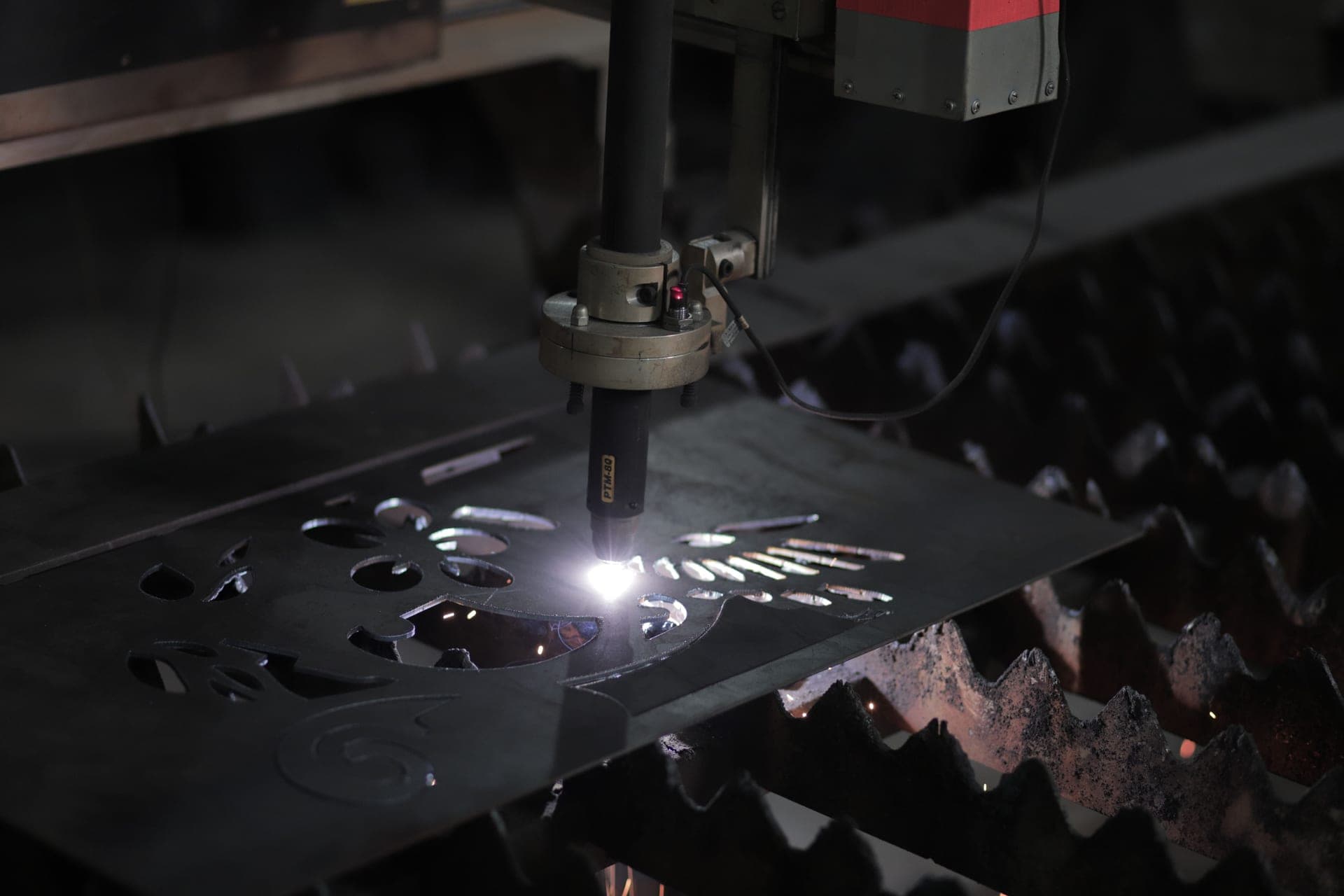
Full guide
Standoff, travel speed, drag cutting and piercing — everything from unboxing to a clean cut.
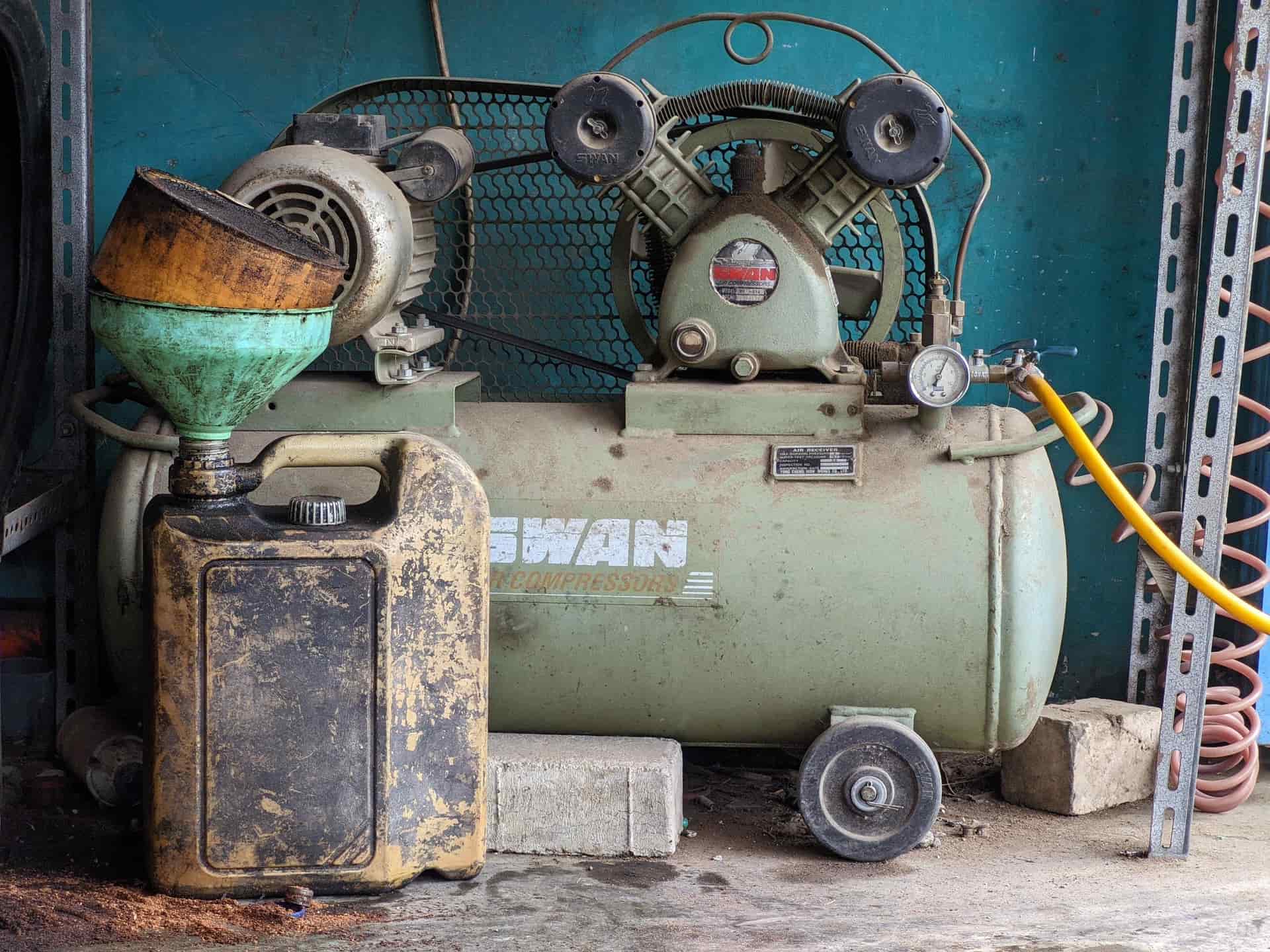
Guide
How to read CFM and PSI, why tank size is not the answer, and what a compressor must sustain.
Reference
Recommended versus severance capacity by amperage, and what you lose on a 110V outlet.

Comparison
An angle grinder cuts lengths; plasma cuts shapes. The one question that settles it.
Every level needs a helmet. What the right helmet is changes as the level changes — and a bad one is the most common reason a beginner's welds look worse than their technique.
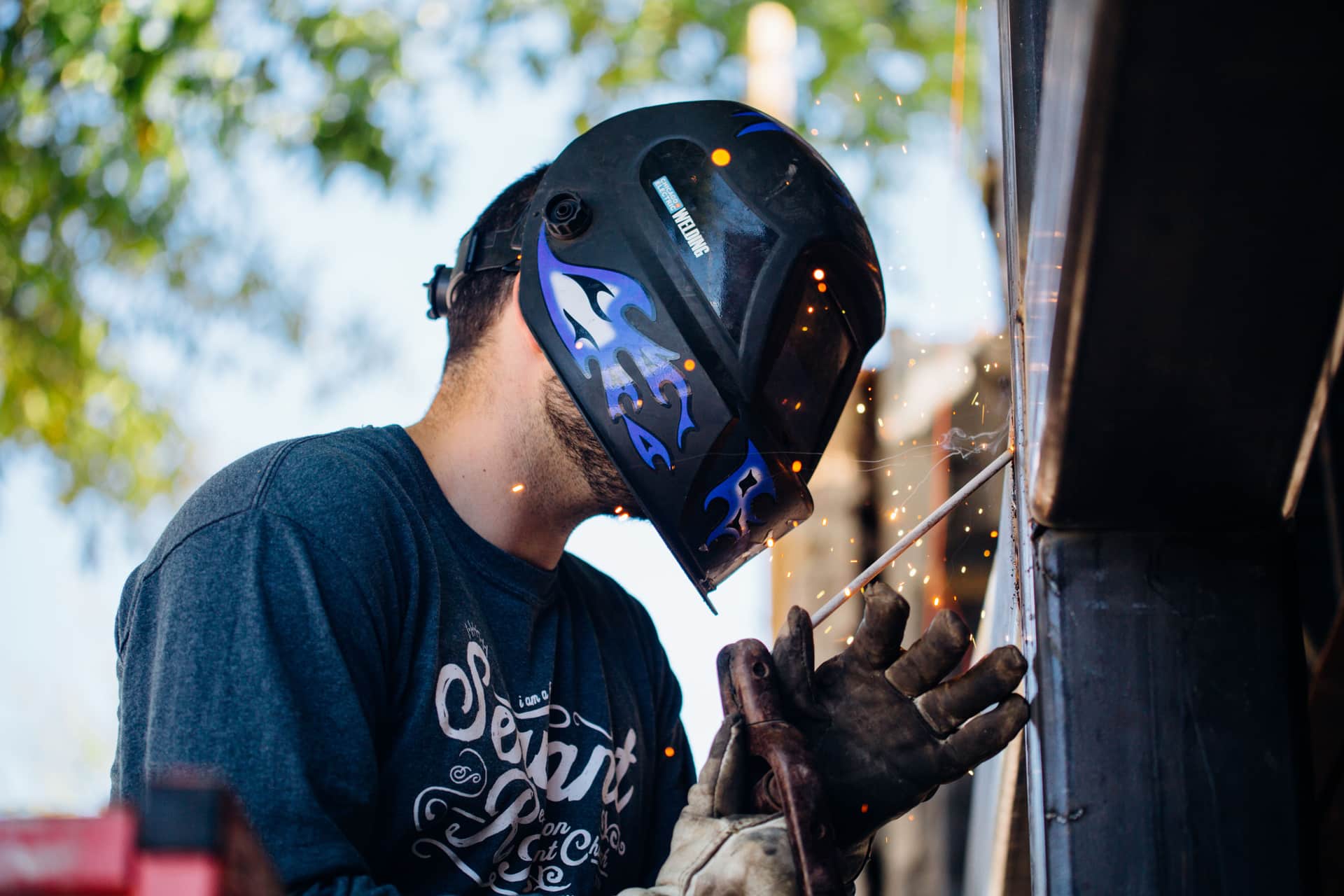
Best first helmet
The purchase that improves a beginner's welds fastest, and where spending more stops helping.
Our pick: Antra AH6-660
Best auto-darkening lens
Viewing area, optical clarity and low-amperage triggering, compared across four helmets.
Our pick: Lincoln Electric VIKING 3350
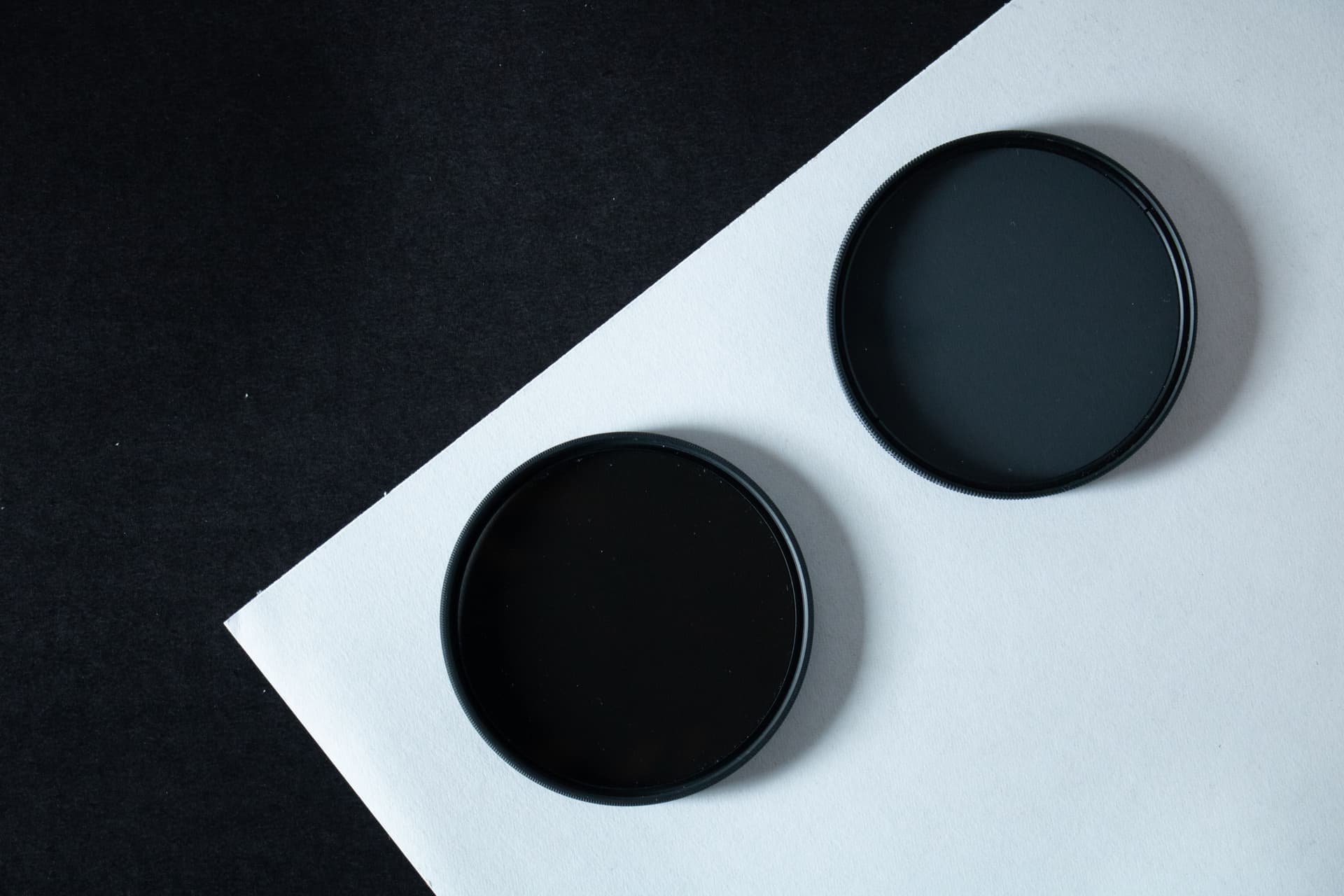
Reference
OSHA's minimum protective shades by process and arc current, and how to use them in practice.
Best at the entry end
What an entry-level helmet compromises, and the two specifications to insist on regardless.
Our pick: Antra AH6-660
Comparison
Why the nod that drops a passive hood handicaps a beginner, and where passive still wins.
Comparison
Shell depth, temple pressure and fogging — plus the cheater-lens alternative.
Comparison
Headgear adjustment, not shell size, decides the fit — and headgear is usually replaceable.
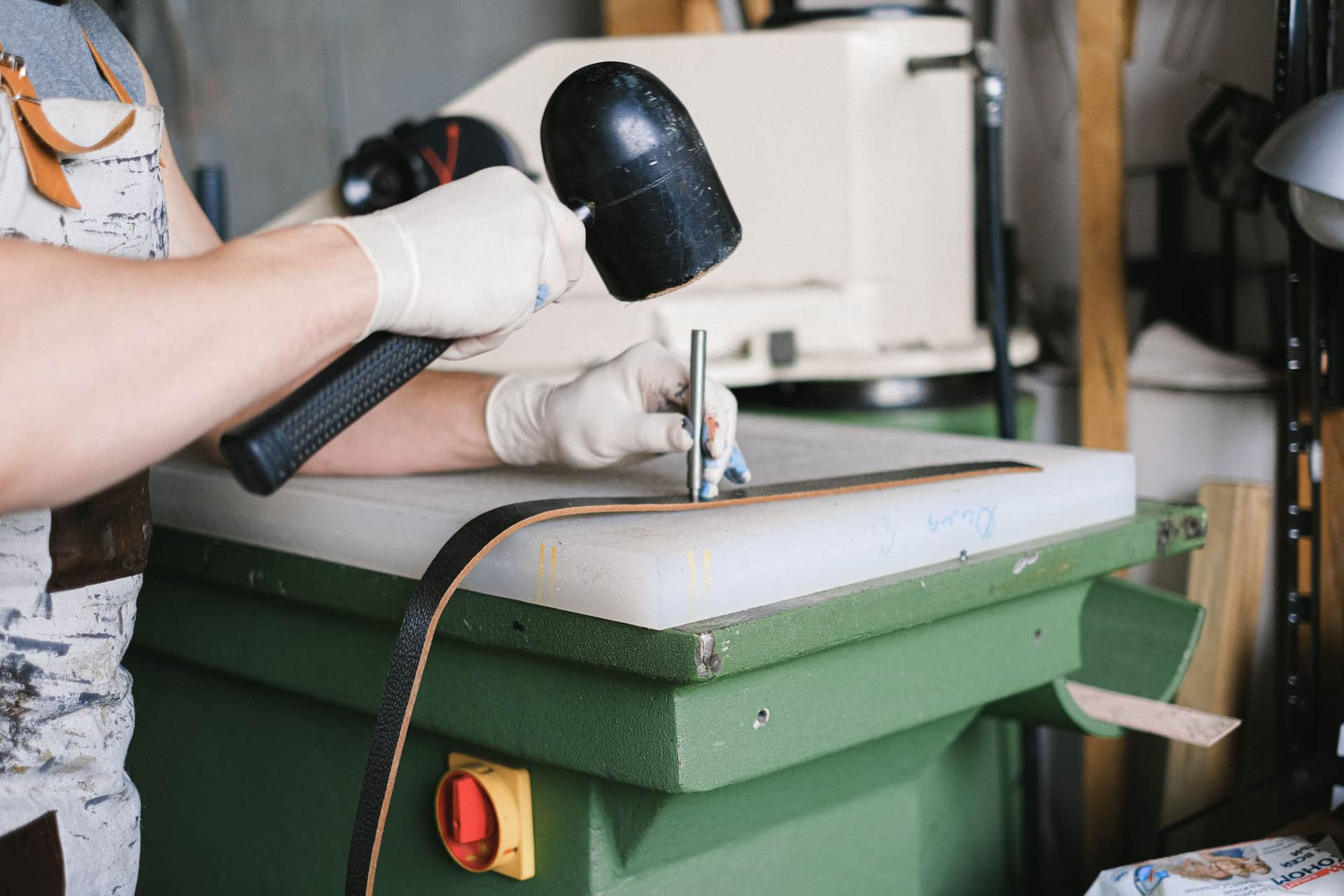
Guide
Why MIG gloves and TIG gloves are opposite tools, and when a leather jacket stops being optional.
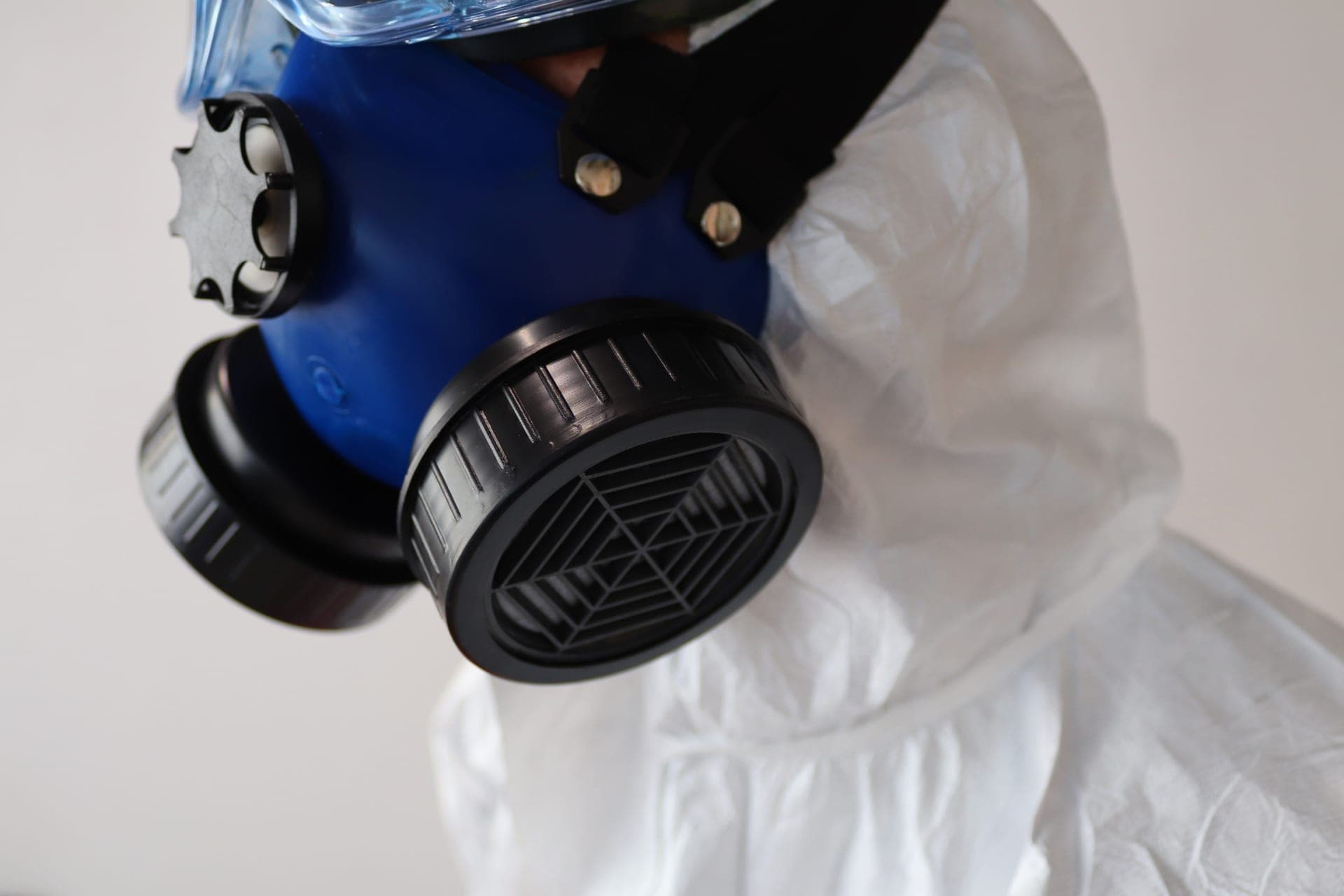
Safety
What is in welding fume, what a P100 filter does and does not remove, and when it is mandatory.
A machine you cannot plug in is a machine you do not own yet. This is the hub for the two questions that quietly decide every purchase on this site.
Best on a household outlet
Machines that run on an ordinary household circuit, and what that ceiling means for what you can build.
Our pick: Forney Easy Weld 261 140 FC-i
Best on a 240V circuit
The machines worth running a 240V circuit for, and how to size that circuit before you buy.
Our pick: Hobart Handler 210 MVP

Comparison
The decision that sets your ceiling: what each supply voltage welds, and what the circuit really costs.
Guide
Read the rating plate, not the marketing. What decides the circuit, and what to tell your electrician.
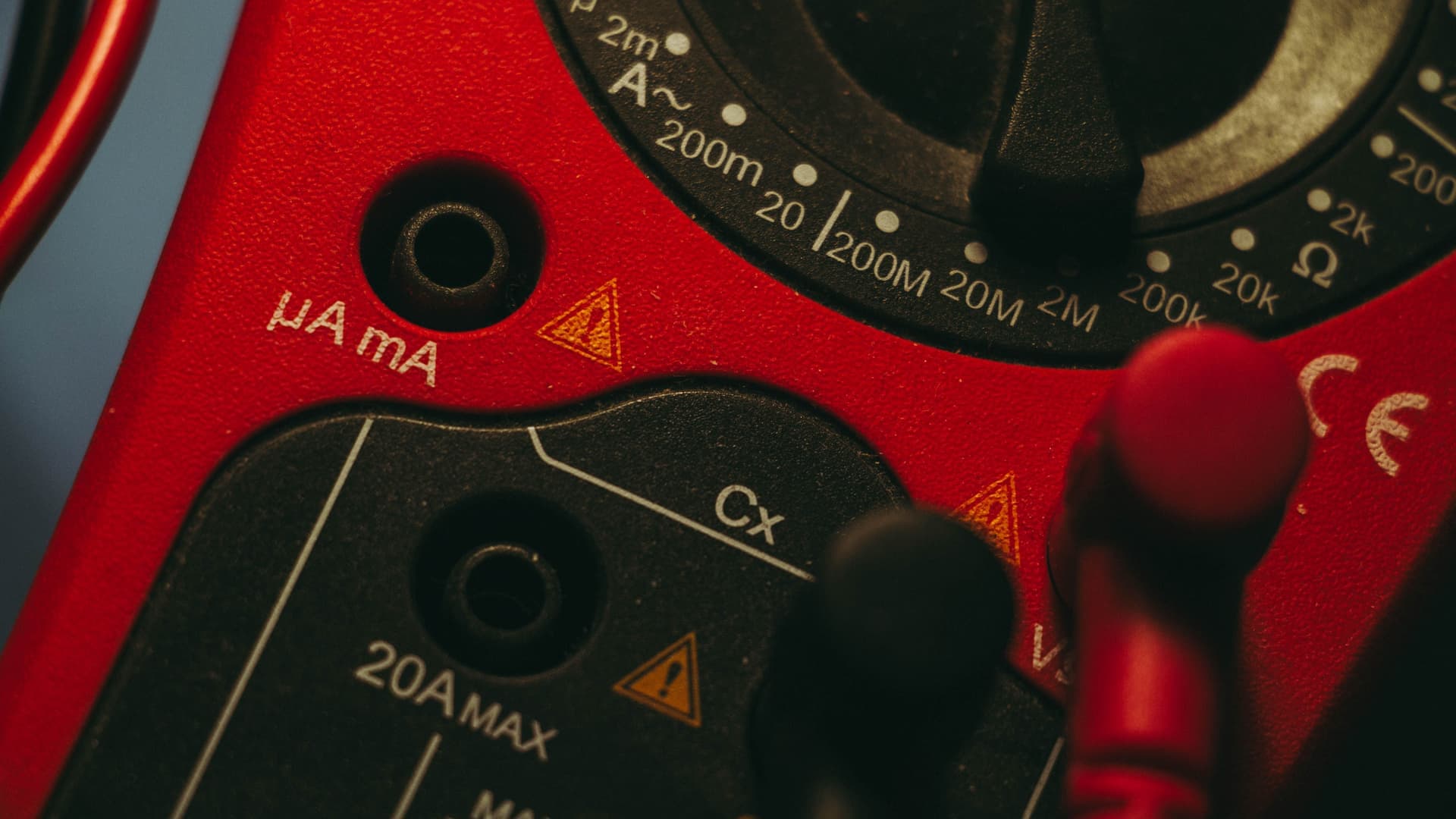
Reference
Input amps by machine type and voltage, and why it is a completely different number from the output on the box.
Guide
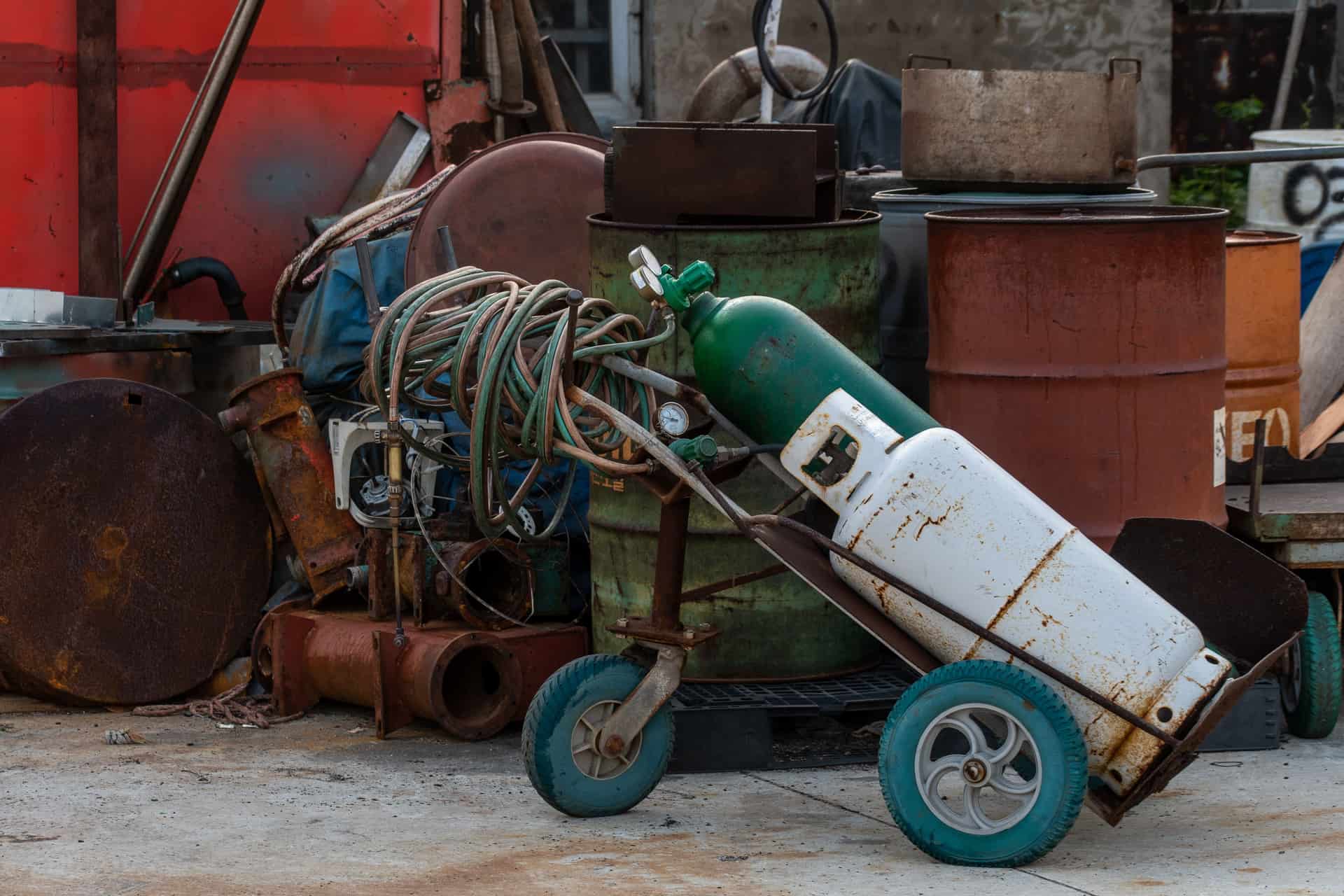
When shielding gas is genuinely required and when flux-cored wire is the better answer.
Guide
Which shielding gas for which metal, and the one combination that cannot work.
Comparison
Not two grades of one thing — two gases for two metals. What happens when you swap them.
Reference
What each common cylinder holds, how long it lasts at real flow rates, and lease versus buy.
Guide
Voltage drop, gauge and length — why a thin cord makes a good machine weld badly.