The best plasma cutters for beginners
Almost every disappointing first plasma cut is an air problem, not a machine problem. Choose for that and the rest follows.
Arc & Bead is an Amazon Associate. If you buy through a link on this page we may earn a commission, at no extra cost to you. We have not physically tested the machines on this page and we say so on How We Pick.
Quick picks
Tap any row to jump to the full write-up further down this page.
| # | Product | Best for | Price |
|---|---|---|---|
| 1 | 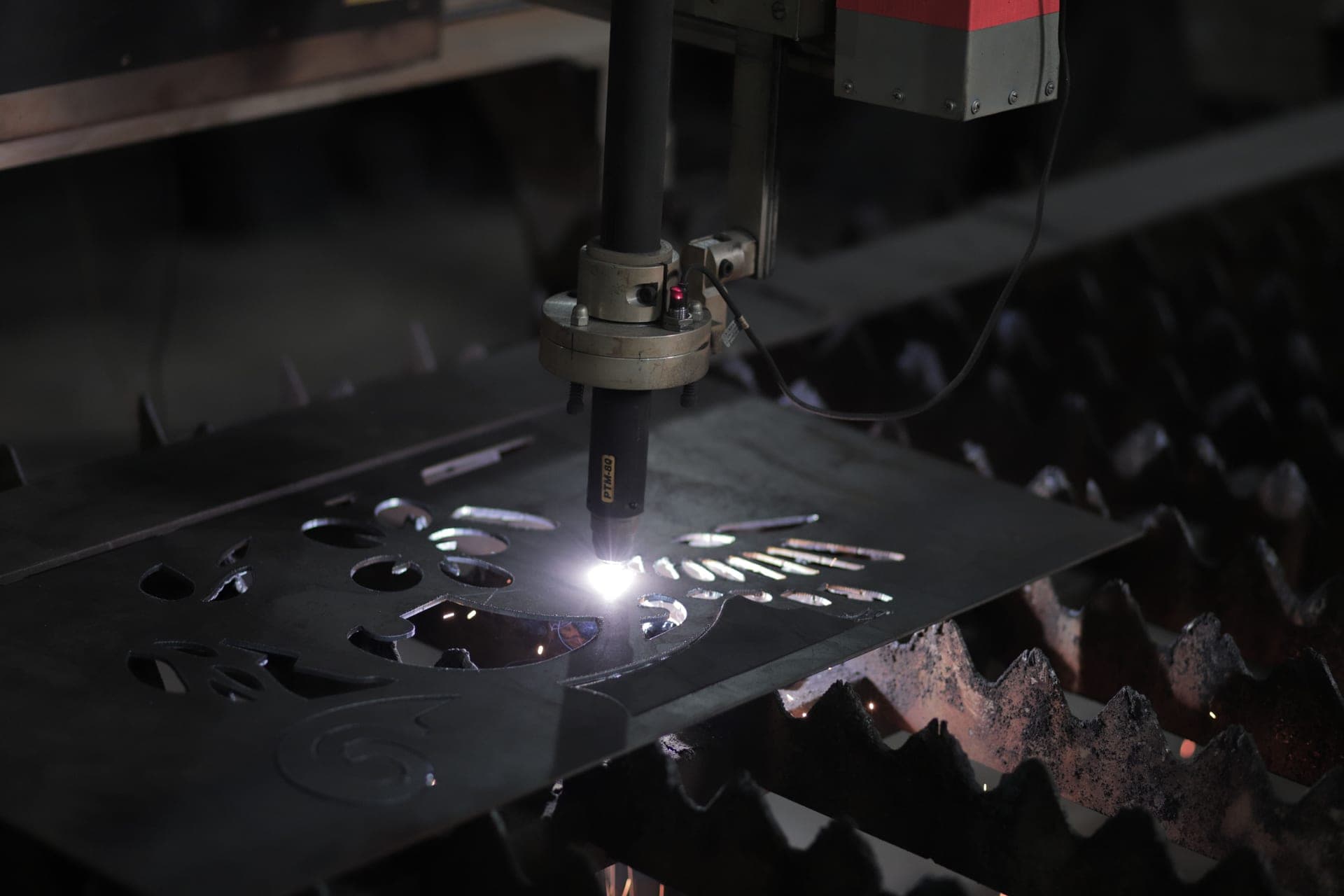 Hypertherm Powermax30 AIRBrings its own air, so the one thing beginners get wrong is removed from the purchase. | Best first machine | |
| 2 | YESWELDER CUT-55DSPilot arc and dual voltage at the bottom of the market — the honest budget entry. | Best cheap way to find out if you need one | |
| 3 | Lotos LTP5000DA 5/8 inch clean cut and a built-in regulator — more machine than a beginner needs, at a beginner price. | Best if you already have air | |
| 4 | 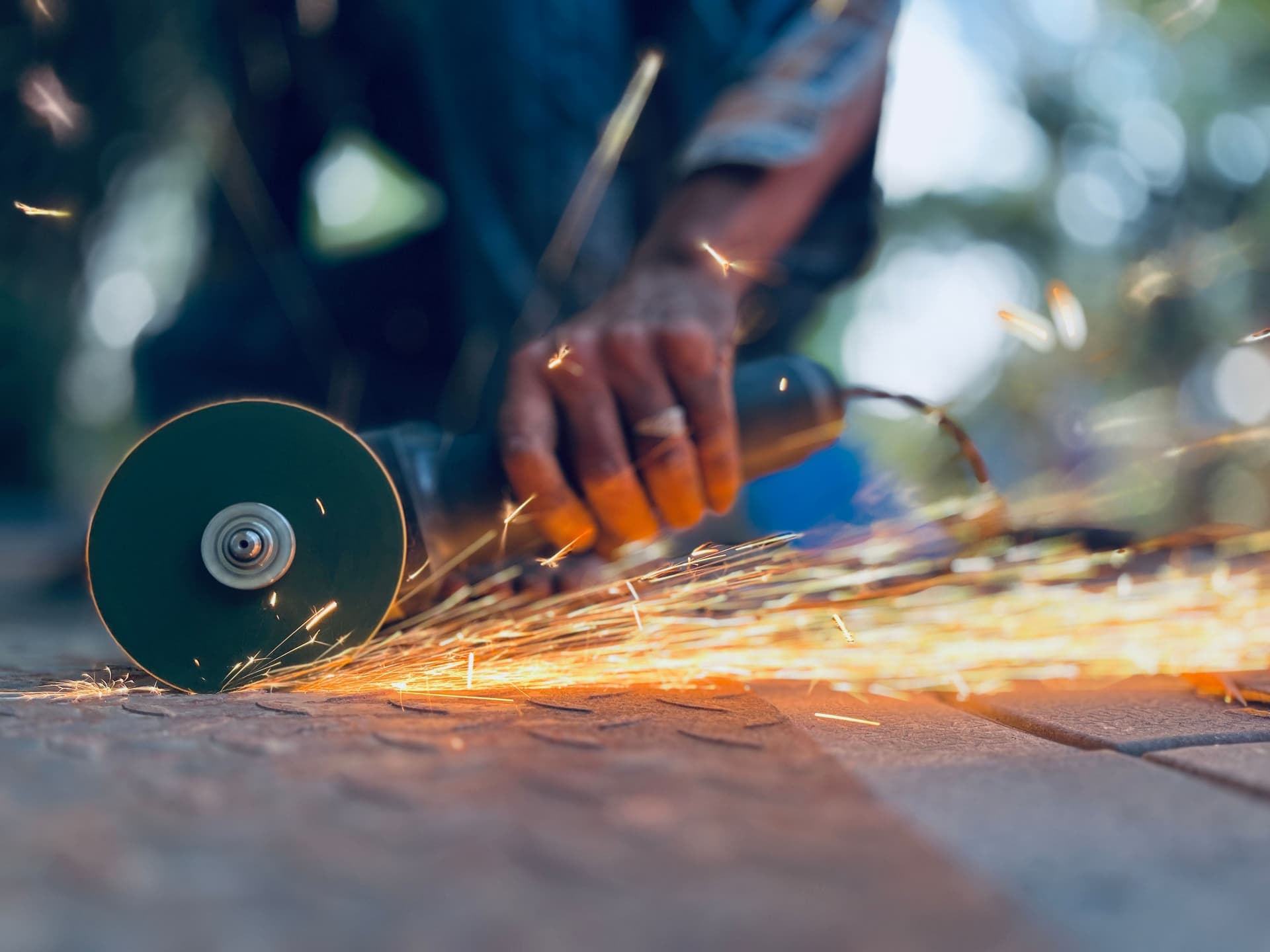 DeWalt DWE402 4-1/2 in angle grinderIf your cutting is stock to length, this does it for a fraction of any plasma cutter. | The honest alternative to consider first |
What should a beginner look for in a plasma cutter?
Three things, in this order: a non-touch pilot arc, an air supply you can actually provide, and dual voltage so the machine works on the circuit you have now. Amperage comes fourth — almost any modern machine cuts more than a beginner needs, and almost none of them cut well on inadequate air.
The air supply is the beginner's trap
This is the single most common way a first plasma purchase disappoints, and it has nothing to do with the machine.
Every plasma cutter publishes an air requirement in cubic feet per minute at a pressure. A small pancake or twin-stack compressor cannot sustain a 50 amp machine, and a starved machine gives you a slow, wandering, dross-heavy cut that looks exactly like a bad machine.
Moisture is the other half. A compressor tank collects water, and water in the plasma stream destroys tips and electrodes quickly and makes the cut worse. A water separator is not an accessory.
Read plasma cutter air requirements before you shortlist machines, not after.
What to expect from your first cuts
Plasma is a much easier skill than welding, which surprises people. There is no puddle to read and no filler to add. What there is is a handful of variables that all show up in the cut edge.
| What you see | Usual cause | What to change |
|---|---|---|
| Heavy dross on the underside | Too slow, or too much amperage for the thickness | Move faster, or turn the amps down |
| The cut does not go all the way through | Too fast, too little amperage, or low air | Slow down; check the air first |
| Bevelled instead of square edge | Torch not held perpendicular, or worn tip | Check the tip; use a guide |
| Wandering cut line | Freehand at speed | Use a straight edge or a circle guide |
| Tip wearing out quickly | Wet air, or wrong standoff distance | Fit a separator; use a drag tip |
Amperage: how much a beginner actually needs
Less than the marketing suggests. Most home cutting is under a quarter inch, and a 30 amp machine handles that comfortably. Fifty amps gives real headroom.
Two cautions on how the numbers are published. Headline figures are the 240 volt figures — on a 120 volt circuit you typically lose a third of the output and close to half the thickness. And a "severance" figure is not a working thickness: it is a slow, rough parting cut, not something you would weld to afterwards.
The plasma cutter cut thickness chart sets out the difference properly.
How this differs from our beginner guide and our home-use page
Plasma cutting for beginners teaches the process — how the arc works, how to hold the torch, how to set the air. This page chooses a machine.
Plasma cutters for home use assumes you have decided plasma belongs in your shop and asks which one fits it. This page assumes you have not cut before, and weights the choice toward the mistakes that are easiest to make first time.
Safety, briefly but seriously
What plasma adds that welding does not
The shade chart covers the eye protection, and fume safety covers the rest.
1. Best first machine
Hypertherm Powermax30 AIR
Brings its own air, so the one thing beginners get wrong is removed from the purchase.
Hypertherm publishes 30 amps with a built-in compressor, auto-voltage across 120 and 240 volts, a recommended cut of 5/16 inch at 20 inches per minute and 3/8 inch at 10 ipm, a 5/8 inch severance cut, and under 30 pounds.
Almost every first-plasma-cutter disappointment traces back to air: not enough volume, not enough pressure, or moisture in the line. A machine with its own compressor removes that entire class of problem, which is worth more to a beginner than extra amperage.
Auto-voltage is the second thing that helps here. Plug into whatever the garage has, cut, and move to a 240 volt circuit later with no change of machine and no switch to set wrong.
It costs multiples of a budget 50 amp machine and cuts thinner. That is the trade, stated plainly: you pay for the removal of the two things beginners get wrong.
What works
- The internal compressor removes the hidden second purchase that sinks most first plasma buys
- Auto-Voltage means it works on a 120 V outlet today and a 240 V circuit later with no switch
- Hypertherm consumables are stocked everywhere and last markedly longer than budget equivalents
What does not
- Costs multiples of a budget 50 A machine while cutting thinner material
- 30 A is a genuine ceiling: 5/8 in severance is the limit, not a working thickness
- The internal compressor has a duty cycle of its own — sustained cutting needs pauses
Who this is wrong for: Anyone who already owns a capable compressor. You would be paying again for something sitting in your garage.
2. Best cheap way to find out if you need one
YESWELDER CUT-55DS
Pilot arc and dual voltage at the bottom of the market — the honest budget entry.
YESWELDER publishes 55 amps with a non-touch pilot arc on 110 or 220 volts.
For a beginner the pilot arc is the specification that matters most, and the reason this machine is here rather than something cheaper. Without it the torch has to touch the metal to start, and it stalls on paint, rust and galvanizing — which is exactly the material a beginner practises on.
What you accept is shorter consumable life and more variation between units than the established brands. For someone finding out whether plasma earns a place in their shop, that is a reasonable trade.
You still need a real compressor. This is the machine plus a compressor, not the machine instead of one.
What works
- Pilot arc at the bottom of the market, which used to mean paying twice as much
- Dual voltage, so a 110 V outlet gets you started
What does not
- Consumables are the running cost and they do not last like the name brands
- Owner feedback reports more variation between units than the established brands
3. Best if you already have air
Lotos LTP5000D
A 5/8 inch clean cut and a built-in regulator — more machine than a beginner needs, at a beginner price.
Lotos publishes 10 to 50 amps on 220/240 volts and 10 to 35 amps on 110, a 5/8 inch clean cut at 220 volts and 3/8 inch at 110, 3/4 inch severance, a non-touch pilot arc and a built-in pressure regulator.
If you already own a compressor that can sustain 50 amps, this is the most capability a beginner can buy at this price — and capability you will grow into rather than out of.
The built-in pressure regulator helps a beginner more than it sounds, because air pressure is one of the settings people get wrong early and it gives you a gauge to look at.
What works
- Pilot arc means it will start on painted, rusty or galvanized material where a touch-start machine stalls
- 5/8 in clean cut on 240 V is more capacity than most home shops will ever use
- Dual voltage with a switch rather than a different machine
What does not
- You must supply clean dry air. A small pancake compressor will not keep up, and wet air destroys consumables fast
- On a 110 V outlet you lose a third of the output and half the thickness
- Consumable life is noticeably shorter than Hypertherm's, and the running cost shows it
4. The honest alternative to consider first
DeWalt DWE402 4-1/2 in angle grinder
If your cutting is stock to length, this does it for a fraction of any plasma cutter.
Before buying a first plasma cutter it is worth asking whether you need one at all.
A grinder with cut-off wheels handles straight cuts in thin and medium stock, needs no air and no dedicated circuit, and costs a small fraction of any machine on this page. If most of your cutting is stock to length, that is the answer.
What it cannot do is follow a curve, cut a hole, or leave a weld-ready edge on plate. That is what plasma buys, and it is worth being honest about whether you need it yet.
What works
- Every weld needs prep and cleanup, so this earns its place from your first day regardless of process
- Cut-off, grinding and wire-wheel discs all fit the same tool
- No air, no gas, no dedicated circuit
What does not
- Slow and physical on anything thicker than about 1/4 in
- Cannot follow a curve accurately — that is the thing a plasma cutter buys you
- Makes far more mess and noise than plasma cutting
Questions people actually ask
Is plasma cutting hard to learn?
It is much easier than welding. There is no puddle to read and no filler to add — the main variables are amperage, travel speed, standoff distance and air pressure.
Most people cut usable parts in the first session, which is not true of TIG or even MIG.
What size plasma cutter should a beginner buy?
Thirty to fifty amps covers almost all home cutting. A 30 amp machine handles a quarter inch comfortably; 50 amps gives headroom up to around 5/8 inch on a 240 volt supply.
Buying more than that usually means buying a compressor problem as well.
Do I need a compressor for a plasma cutter?
For almost every machine, yes, and it must sustain the published air volume and pressure — a small pancake compressor will not.
A water separator is equally necessary: moisture in the air ruins the cut and destroys consumables quickly. The exception is a machine with a built-in compressor.
What is a pilot arc and do I need one?
A pilot arc establishes the arc in the air at the torch before it transfers to the metal, so the torch never has to touch the work to start.
You want it. Without it the machine stalls on rust, paint and galvanizing, which is most of what a beginner practises on.
Should I buy a plasma cutter or an angle grinder first?
If your cutting is mostly stock to length, buy the grinder — it does that job for a fraction of the cost, with no air and no dedicated circuit.
Plasma earns its place when you need curves, holes, profiles or weld-ready edges on plate.
Sources
Read next
- Plasma cutting for beginners
Standoff, travel speed, drag cutting and piercing — everything from unboxing to a clean cut.
- The best plasma cutters for home use
Home-shop machines, why the compressor is the real purchase, and how to read cut-capacity numbers.
- Plasma cutter air requirements
How to read CFM and PSI, why tank size is not the answer, and what a compressor must sustain.
- Plasma cutter cut thickness chart
Recommended versus severance capacity by amperage, and what you lose on a 110V outlet.
- The best plasma cutters for the price
Value per dollar in plasma, counted properly — including the consumables and the compressor.
- Plasma cutter vs angle grinder
An angle grinder cuts lengths; plasma cuts shapes. The one question that settles it.
Back to Level 4 · Plasma, or start over at Find Your Level.
Ryder M.
Ryder M. is the hands-on owner behind Magoo Media Group. He writes Arc & Bead's buying guides and picks every machine on the site. What every recommendation is based on — and what it is not based on — is set out on How We Pick.