The best MIG welders for aluminum
The machine matters less than the gun. Soft aluminum wire will not feed down a standard MIG torch, and no setting changes that.
Arc & Bead is an Amazon Associate. If you buy through a link on this page we may earn a commission, at no extra cost to you. We have not physically tested the machines on this page and we say so on How We Pick.
Quick picks
Tap any row to jump to the full write-up further down this page.
| # | Product | Best for | Price |
|---|---|---|---|
| 1 | 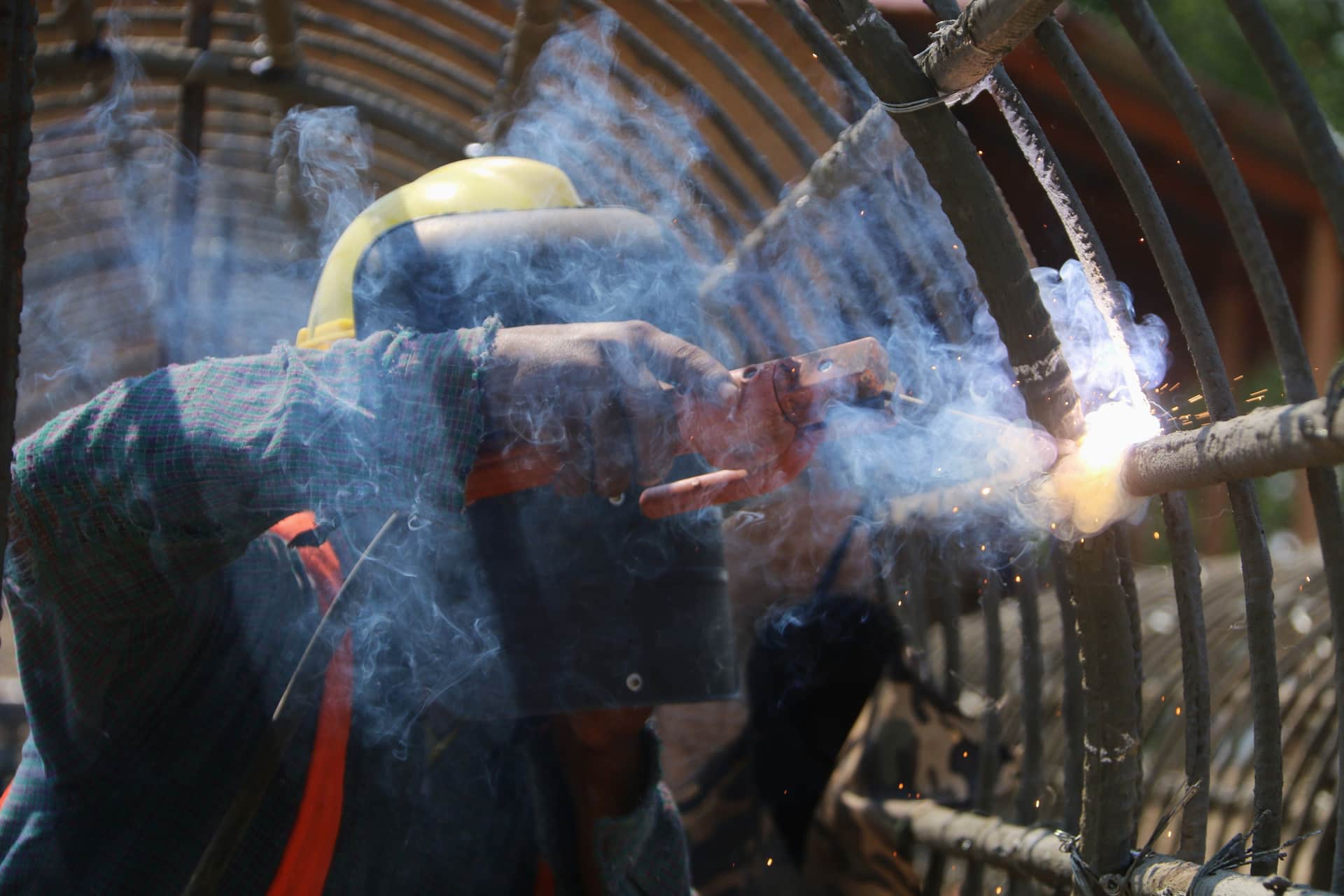 Hobart Handler 210 MVP210 amps on 240 V and a direct plug-in spool gun — no adapter, no control box. | Best overall for aluminum MIG | |
| 2 | 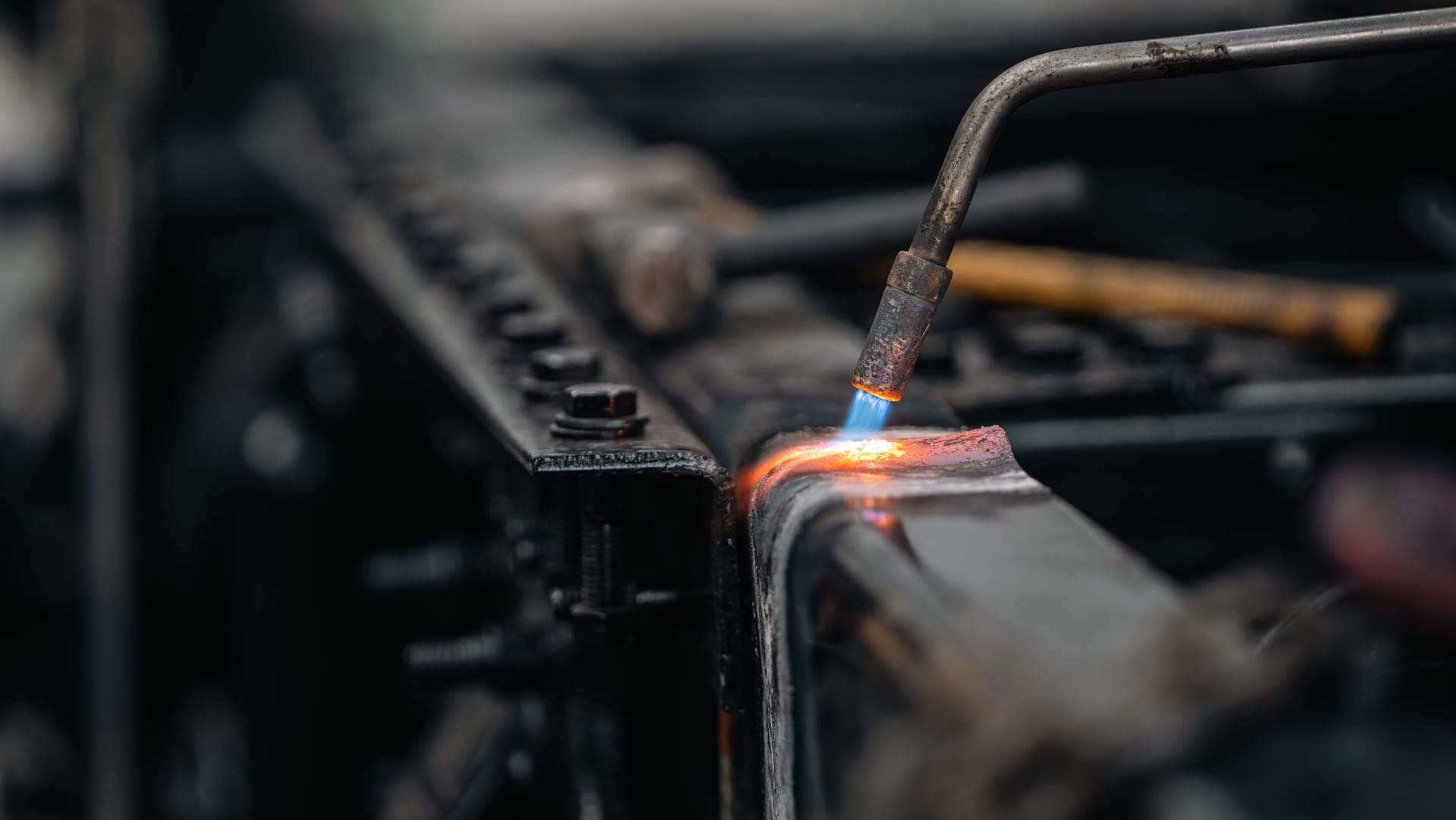 Hobart SpoolRunner 100 spool gun100 A at 60%, 10 ft lead, direct plug-in. The short wire path is the whole point. | The part that actually welds aluminum | |
| 3 | 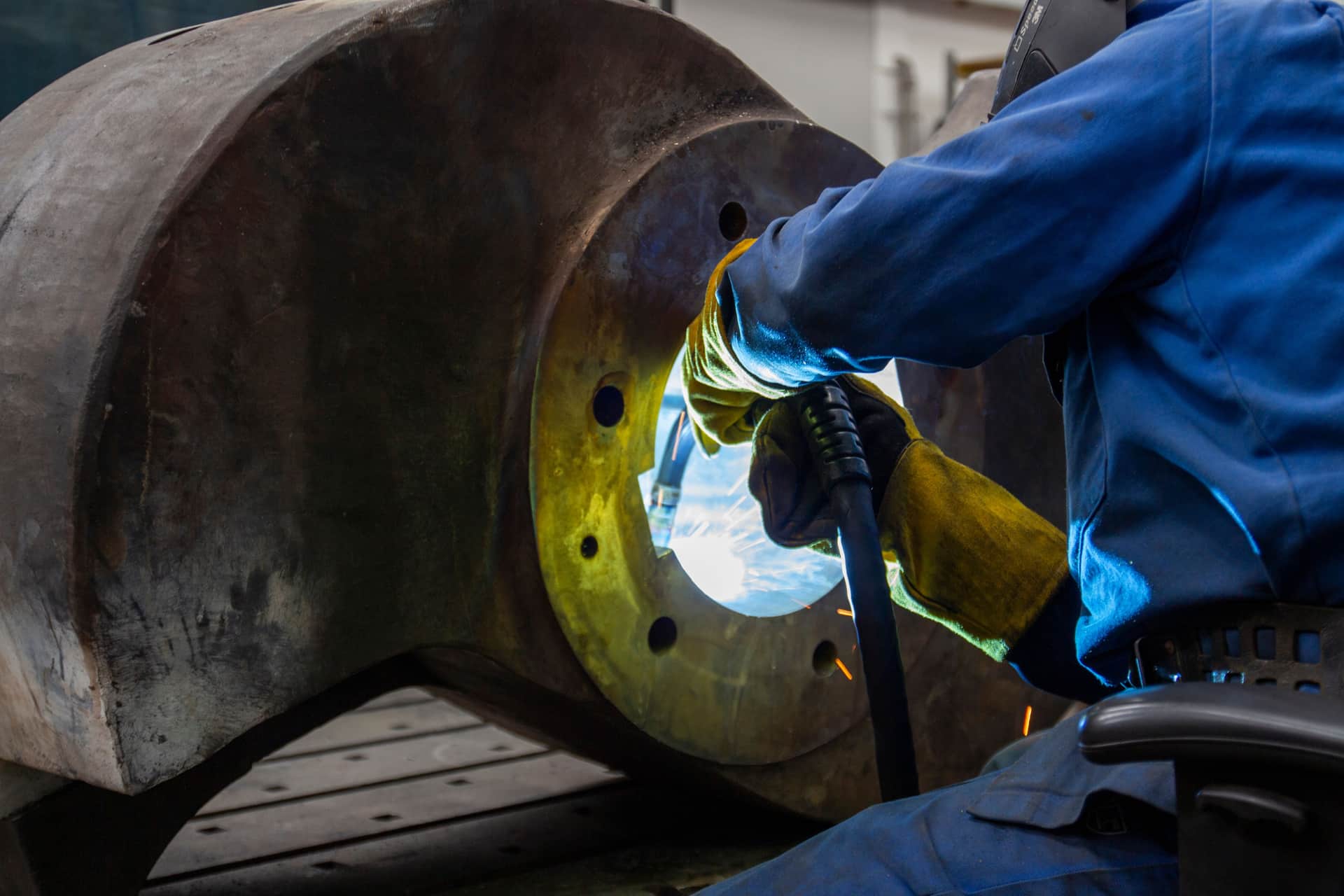 ARCCAPTAIN MIG200Spool-gun support built in, on a dual-voltage synergic machine. | Best value route to aluminum | |
| 4 | Lincoln Electric Magnum 100SG spool gunThe spool gun for compatible Lincoln machines — check your model before you buy. | If your machine is a Lincoln |
What do you need to MIG weld aluminum?
Three things, all of which are requirements rather than preferences: a spool gun or a push-pull torch, because soft aluminum wire will not feed reliably down a standard MIG liner; 100% argon shielding gas, not the argon/CO2 mix used for steel; and enough amperage, because aluminum pulls heat out of the weld far faster than steel does.
Why the standard torch will not do it
Aluminum wire has roughly a third of the stiffness of steel wire of the same diameter. Push it from a drive roll at the back of the machine, down several feet of liner, through a curve, and it buckles — the classic birdnest at the drive rolls.
A spool gun solves it by putting a one-pound spool on the gun itself, so the wire travels inches instead of feet. A push-pull torch solves it by driving the wire at both ends, which is better and considerably more expensive.
There is no third option. Teflon liners and U-groove drive rolls improve matters on short runs with thicker wire and do not make a standard torch reliable.
Gas, wire and the settings that differ from steel
| Steel MIG | Aluminum MIG | |
|---|---|---|
| Shielding gas | 75/25 argon/CO2 typically | 100% argon |
| Wire feed | Standard torch is fine | Spool gun or push-pull torch, always |
| Filler | ER70S-6 | ER4043 or ER5356, matched to the base alloy |
| Heat input | Moderate | Higher — aluminum conducts heat away fast |
| Travel speed | Steady | Faster, and push rather than drag |
| Surface prep | Wire brush and go | Dedicated stainless brush; the oxide must come off |
On filler: ER4043 contains silicon, flows more easily and is less prone to cracking, which makes it the usual choice for 6000-series aluminum. ER5356 contains magnesium, is stronger and matches anodizing colour better, and suits 5000-series. Match it to the base metal rather than reaching for whatever is on the shelf.
The oxide layer is the part people skip
Aluminum oxide melts at roughly three times the temperature of the aluminum underneath it. Weld through it and you get a gray, contaminated weld that never properly fuses.
It has to come off mechanically, immediately before welding, with a stainless brush kept for aluminum and nothing else. A brush that has touched steel puts iron into the joint. This is five minutes of preparation that decides whether the weld works.
How thin can you go?
Thinner than most people expect, but not as thin as with TIG. Spool-gun MIG on aluminum below about 1/16 inch becomes genuinely difficult — the process runs hot and fast and thin material collapses before you can react.
If your work is thin aluminum, that is the honest case for TIG instead. TIG vs MIG for aluminum sets out where the line sits, and TIG welders for aluminum covers the machines.
The honest summary
How this page differs from our aluminum MIG guide
Can you weld aluminum with MIG answers the question and teaches the process — settings, technique, why it goes wrong. This page chooses the equipment: which machines support a spool gun properly, and which gun fits what.
If you already own a MIG machine, start with that guide and then check the spool-gun compatibility list for your model. If you are buying, the machines above are the shortlist.
1. Best overall for aluminum MIG
Hobart Handler 210 MVP
210 amps on 240 V and a direct plug-in spool gun — no adapter, no control box.
Hobart publishes gas MIG and flux-core, 115 or 230 volt input via the multi-voltage plug, 25 to 210 amps (140 on 115 volts, 210 on 230), a 30% duty cycle at 150 amps, capacity from 24 gauge to three-eighths of an inch single pass, and seven voltage settings on 230 volts.
Two things make this the aluminum pick. The first is amperage on a 240 volt supply: aluminum conducts heat roughly three times better than steel, so it pulls heat out of the weld faster and needs meaningfully more current for the same thickness. A machine that runs out of output at a quarter inch of steel will not do a quarter inch of aluminum at all.
The second is that the SpoolRunner 100 plugs straight into it. No adapter kit, no separate control box, no compatibility research — which, on aluminum MIG, is where most of the frustration actually lives.
Seven voltage settings on 230 volts also matter more on aluminum than on steel, because the usable window between not fusing and blowing through is narrower.
What works
- The multi-voltage plug means you can buy it before you have run a 240 V circuit and get the full 210 A later
- 3/8 in single-pass capacity covers essentially every home fabrication job
- 30% duty cycle at 150 A is a real working duty cycle, not a demonstration figure
What does not
- Heavy enough that you will want a cart, which is another purchase
- On 115 V you get 140 A — no more than the Handler 140, at a much higher price. The value only appears once you have the 240 V outlet
- No spool gun included, so aluminum is a further purchase
2. The part that actually welds aluminum
Hobart SpoolRunner 100 spool gun
100 A at 60%, 10 ft lead, direct plug-in. The short wire path is the whole point.
Hobart publishes 100 amps at a 60% duty cycle, a 10 foot cable, direct plug-in operation and compatibility with the Handler 190, Handler 210 MVP and Multi-Handler 200.
Aluminum MIG wire is soft. Pushed down a six or ten foot torch liner it buckles, birdnests at the drive rolls and jams — which is the single most common reason people conclude their machine "cannot do aluminum".
A spool gun moves the spool to the gun, so the wire only travels a few inches before it reaches the contact tip. That is the entire mechanism, and it is why a spool gun is not an upgrade but a requirement.
A one-pound spool does not last long once you are welding properly, and you will want a second one on the shelf.
What works
- Direct plug-in on a compatible Handler, so there is no adapter kit, no control box and no wiring question
- The short wire path at the gun is the actual fix for aluminum feeding — soft wire never travels down a long liner
- Turns a machine you already own into an aluminum machine for far less than a second welder costs
What does not
- Only fits the Hobart machines it lists. It is not a universal spool gun
- Aluminum MIG needs 100% argon, so a bottle swap or a second cylinder comes with it
- A 1 lb spool runs out quickly once you are welding in earnest
3. Best value route to aluminum
ARCCAPTAIN MIG200
Spool-gun support built in, on a dual-voltage synergic machine.
ARCCAPTAIN publishes gas MIG, flux-core, stick, lift TIG, spot and spool-gun operation on 110 or 220 volts, at up to 200 amps, with synergic control.
Spool-gun support being designed in rather than bolted on is the specification that matters here — plenty of budget machines advertise aluminum capability and then need a specific adapter that is hard to find.
Synergic control helps more on aluminum than on steel. The parameter window is narrower and travel speed has to be faster, so having the machine set voltage against wire speed removes one variable from a process that already has too many.
The honest limitation is the same as on steel: 200 amps is the 220 volt figure, and aluminum is exactly the material where you need it.
What works
- Spool-gun support is built in rather than a model-specific accessory question, and that question is the whole aluminum decision on a MIG machine
- Synergic control sets voltage from wire speed, so the first hour is spent welding rather than reading a chart
- Dual voltage and six processes mean it stays useful well past the point most first machines stop
What does not
- The spool gun is a separate purchase, and not a small one
- 200 A is the 220 V figure. On a household outlet the usable output is much lower
- Dealer support is thin next to Hobart or Lincoln, which is what you notice when something breaks
4. If your machine is a Lincoln
Lincoln Electric Magnum 100SG spool gun
The spool gun for compatible Lincoln machines — check your model before you buy.
Lincoln publishes aluminum MIG operation from a 1 pound spool at the gun, with 0.035 inch aluminum wire.
Spool guns are not universal, and this is the counterpart to the Hobart gun above: it works with Lincoln machines that have the correct spool-gun provision, and not with anything else.
If you already own a compatible Lincoln machine, this converts it into an aluminum machine for far less than a new welder. Check the model list before you order — that is the whole purchase decision here.
What works
- Short wire path at the gun is the actual fix for aluminum feeding problems — soft wire never has to travel through a long liner
- Turns a machine you already own into an aluminum machine for far less than a new welder
What does not
- Only works with Lincoln machines that have the correct spool-gun provision — check your model before buying
- Aluminum MIG still needs 100% argon, so a second gas bottle or a bottle swap comes with it
Who this is wrong for: Anyone who does not already own a compatible Lincoln machine. It is not a general-purpose spool gun.
Questions people actually ask
Can you MIG weld aluminum without a spool gun?
Not reliably. Aluminum wire is soft enough that pushing it down a standard MIG liner causes it to buckle and birdnest at the drive rolls.
A spool gun puts the spool on the gun so the wire travels inches instead of feet. A push-pull torch is the more expensive alternative.
What gas do you use for MIG welding aluminum?
100% argon. The argon/CO2 mixes used for steel will not work — CO2 is reactive and contaminates the aluminum weld.
For thick sections above about half an inch, an argon/helium mix adds heat input, but that is a specialist case.
What MIG wire do you use for aluminum?
ER4043 or ER5356, matched to the base alloy. 4043 contains silicon, flows well and resists cracking, which suits 6000-series aluminum.
5356 contains magnesium, is stronger and matches anodized finishes better, which suits 5000-series.
How many amps do you need to MIG weld aluminum?
More than for the same thickness of steel. Aluminum conducts heat about three times better, so it draws heat out of the weld faster and needs higher current to fuse.
In practice that means a 240 volt machine for anything approaching a quarter inch.
Is MIG or TIG better for aluminum?
MIG is faster and better suited to thicker material — 1/8 inch and up, on trailers, boats and brackets.
TIG gives far more control on thin material and produces a better-looking weld, which is why anything visible or under about 1/16 inch belongs to TIG.
Sources
Read next
- Can you weld aluminum with a MIG welder?
Yes, with a spool gun, argon and aluminum wire. What the result looks like, and when TIG wins.
- TIG vs MIG for aluminum
How to decide by thickness and by whether the weld will be seen. Both processes work.
- The best TIG welders for aluminum
AC output, balance and frequency are what weld aluminum. Which machines give real control.
- What gas do you need for MIG welding?
Which shielding gas for which metal, and the one combination that cannot work.
- The best MIG welders under $500
What $500 buys in gas MIG, what it leaves out, and the machines that fit inside the cap.
- MIG welding for beginners
Push or drag, setting voltage and wire speed, the sound of a good arc, and first projects.
Back to Level 2 · MIG, or start over at Find Your Level.
Ryder M.
Ryder M. is the hands-on owner behind Magoo Media Group. He writes Arc & Bead's buying guides and picks every machine on the site. What every recommendation is based on — and what it is not based on — is set out on How We Pick.