Best on a household outlet
The best 120V welders for beginners
Machines that run on an ordinary household circuit, and what that ceiling means for what you can build.
Our pick: Forney Easy Weld 261 140 FC-i
A machine you cannot plug in is a machine you do not own yet. This is the hub for the two questions that quietly decide every purchase on this site.
Best on a household outlet
The most usable duty cycle in the class, and nothing else to buy before your first weld.
Almost every welding site treats power and gas as footnotes — a line in a specification table, a sentence at the end of a review. That is backwards. These are the questions that abort purchases and the questions that make a perfectly good machine useless in a particular garage.
Someone who cannot work out whether their garage circuit will run a 240-volt machine does not buy the machine. Someone who buys a gas MIG welder without understanding the bottle arrangement ends up with an expensive flux-core welder. This hub exists because those questions deserve real pages rather than footnotes.
Welding is a high-current activity and domestic electrical supply is the binding constraint on almost every home shop.
A 120-volt machine is limited by the outlet, not by cleverness of design. There is only so much power available on a standard household circuit, and that ceiling lands at roughly a quarter inch of steel in a single pass with a duty cycle that means working in bursts. A 240-volt circuit approximately doubles the available power, which is what lifts you to three-eighths of an inch and beyond, with a duty cycle that lets you actually work.
The three pages that answer this properly are 120V versus 240V welders for the decision itself, how many amps a welder uses for the numbers, and what size breaker a welder needs for what to ask an electrician.
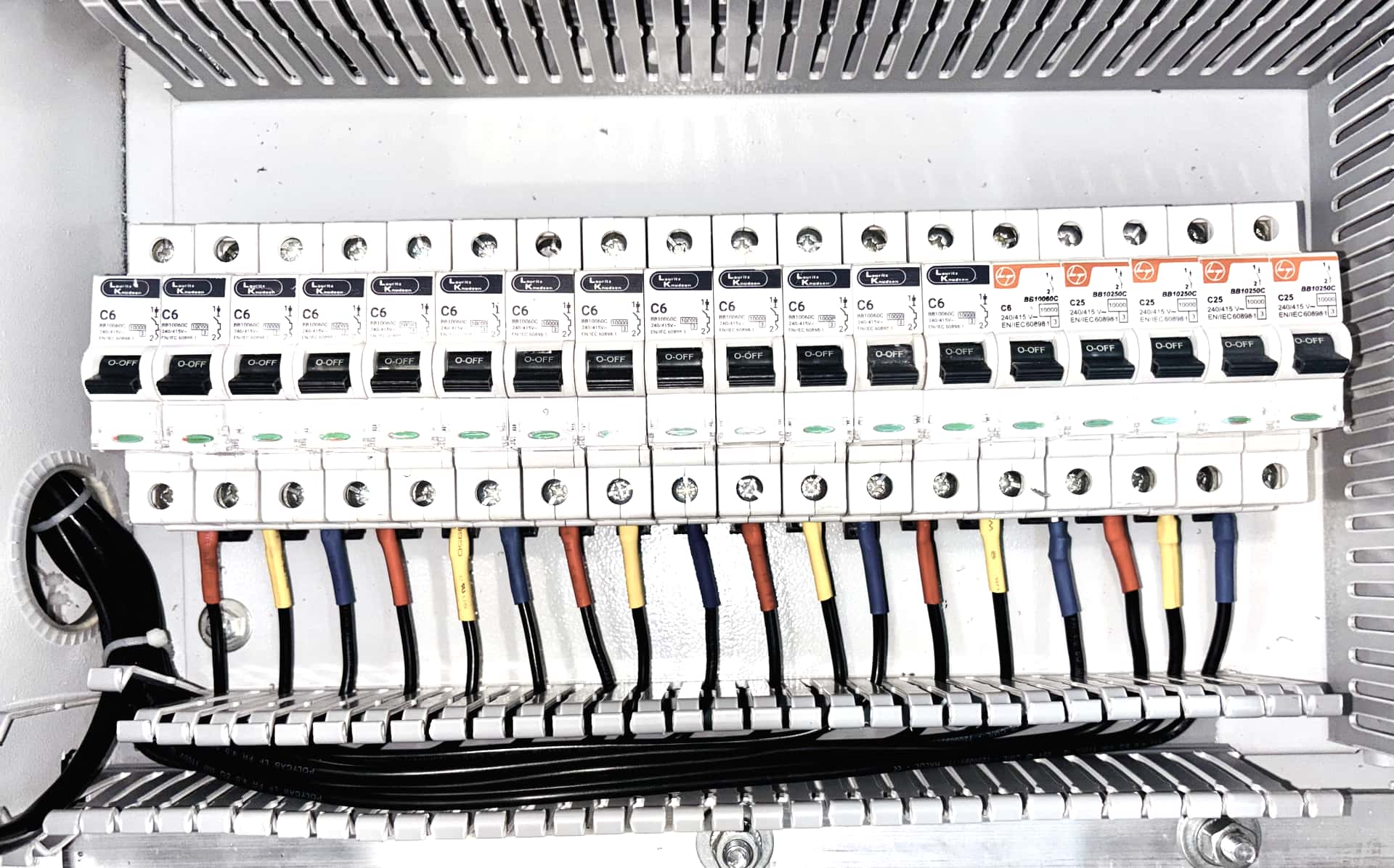
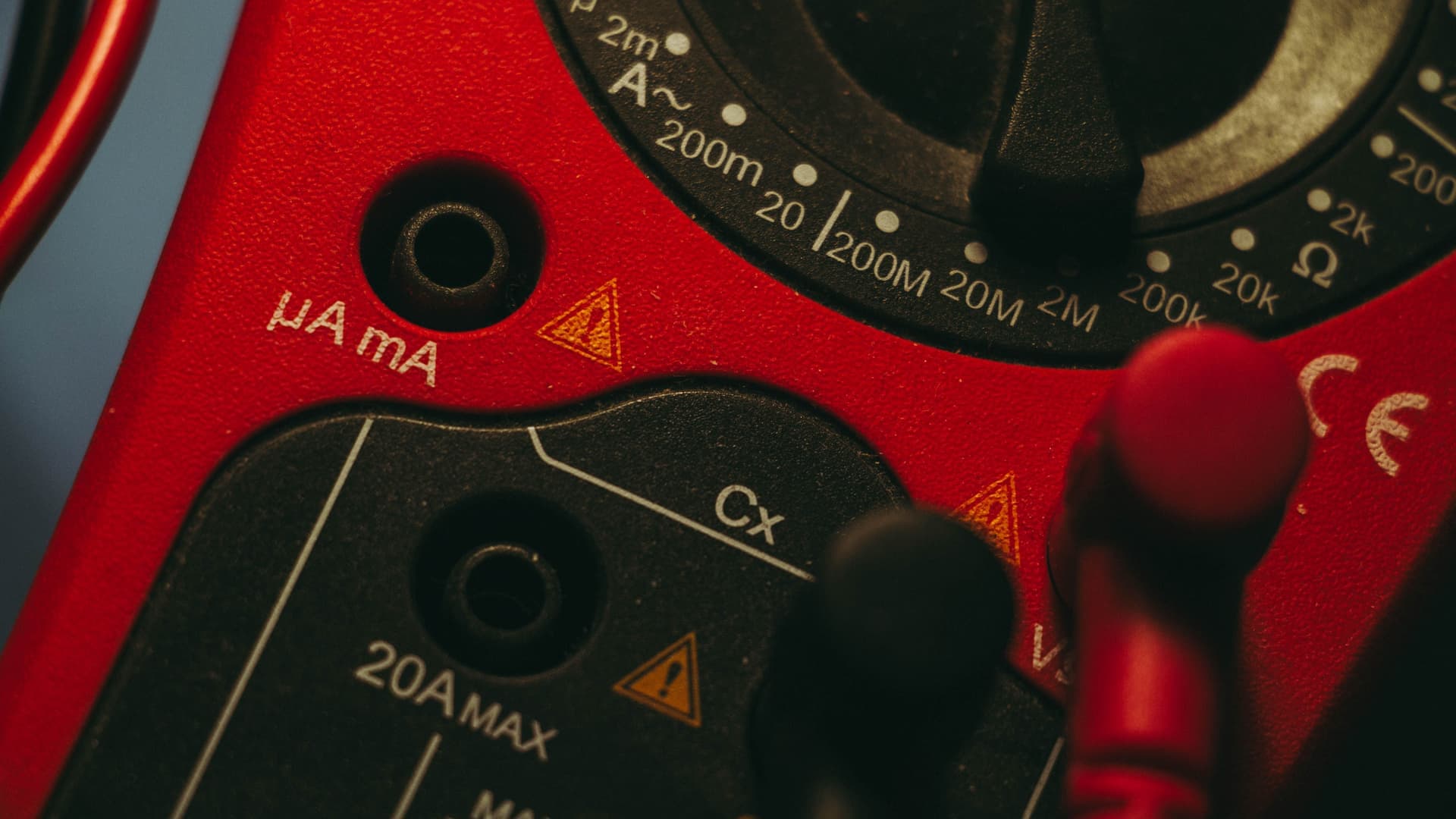
One distinction is worth making here because it causes more confusion than anything else on this site. Output amps and input amps are different numbers. A machine advertised as a 140-amp welder produces up to 140 amps at the arc; what it draws from your wall is a much smaller figure, stated on its rating plate as rated input amperage at a given output. Size your circuit from the input figure. Sizing it from the output figure leads people to conclude they need a 150-amp circuit for a machine that wants a 20-amp one.
And the statement that has to appear in the body of the text rather than in a box: your machine's own manual governs its electrical requirements, and any work on circuits, breakers or outlets is work for a licensed electrician, done to the National Electrical Code and your local jurisdiction's rules. Nothing on this site substitutes for either.
Shielding gas has one job — keep air off the molten weld pool — and which gas does that job best depends entirely on the metal.
For mild steel MIG, a 75% argon / 25% carbon dioxide mix is the home-shop standard. The argon gives a stable, controllable arc; the CO2 adds penetration. Pure CO2 penetrates deeper and costs less, and runs a harsher, spatter-heavy arc that is harder to learn on.
For aluminum, whether MIG or TIG, it is 100% argon and nothing else. CO2 reacts with aluminum. This is usually a second bottle rather than a swap, and it is a cost worth knowing before you commit to aluminum.
For stainless, tri-mixes containing helium are common in production work; in a home shop most people run 98/2 argon/CO2 or accept 75/25 with a slightly less pretty result.
What gas for MIG welding sets this out metal by metal, and 75/25 versus 100% argon covers the comparison people most often get wrong.
Then there is the question underneath: whether you need gas at all. Do you need gas for MIG welding answers it honestly, and the answer is more conditional than either side of the argument usually admits.
A gas bottle is a recurring relationship rather than a purchase. Most suppliers lease cylinders; some sell them; the terms differ enough locally that the lease arrangement often matters more to the total cost than the cylinder size does. Ask before you choose a size.
On size: welding gas cylinder sizes sets out what each common cylinder holds and roughly how much welding it represents. As a rule, a 40 or 80 cubic foot cylinder is the sensible first bottle for a home shop — smaller means constant swapping, larger means you cannot move it alone.
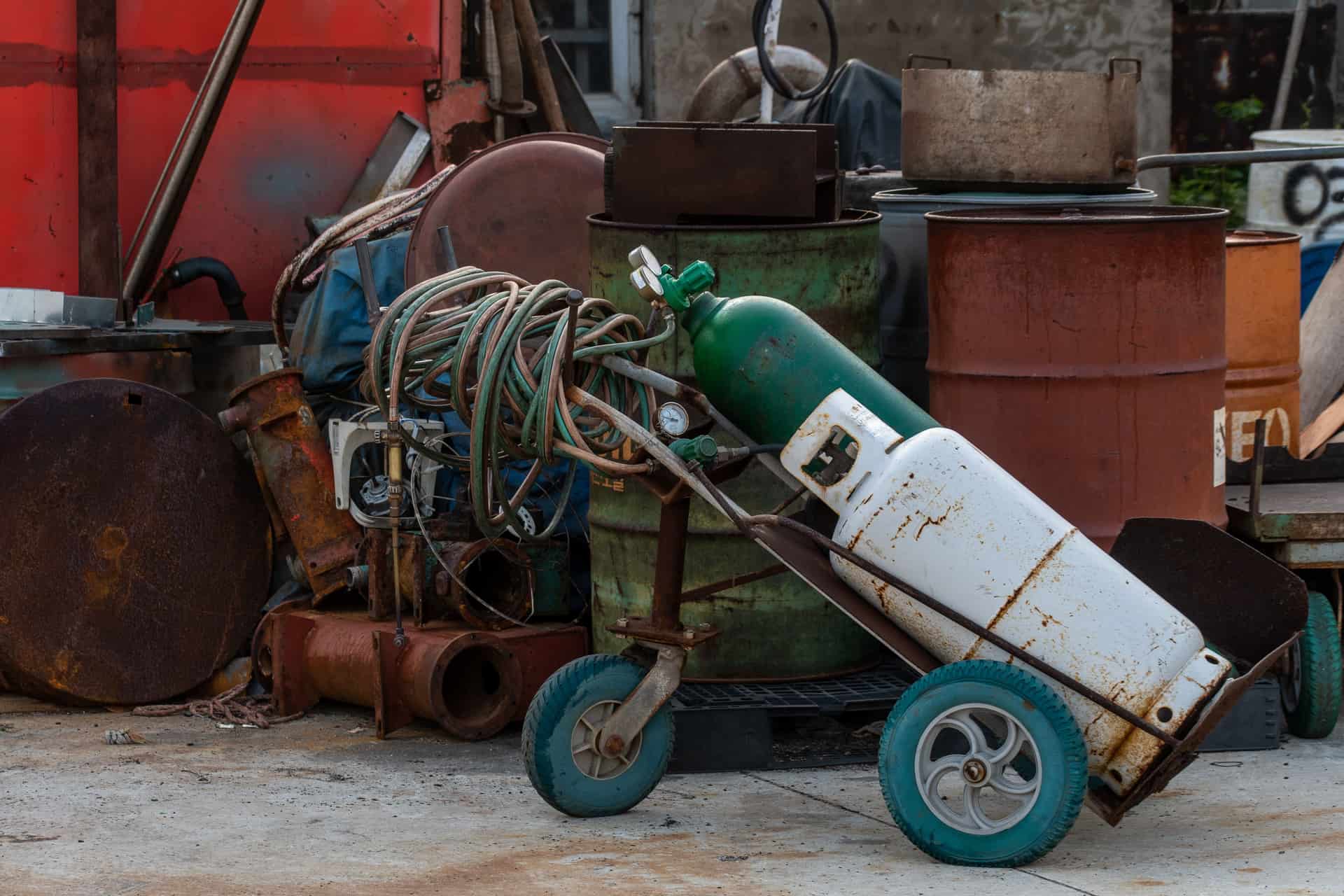
Cylinders must be stored and used upright and secured, which is the real reason a welding cart stops being optional once you own gas. A falling cylinder with a damaged valve is a serious hazard, and the Compressed Gas Association's handling guidance is the reference worth reading once.
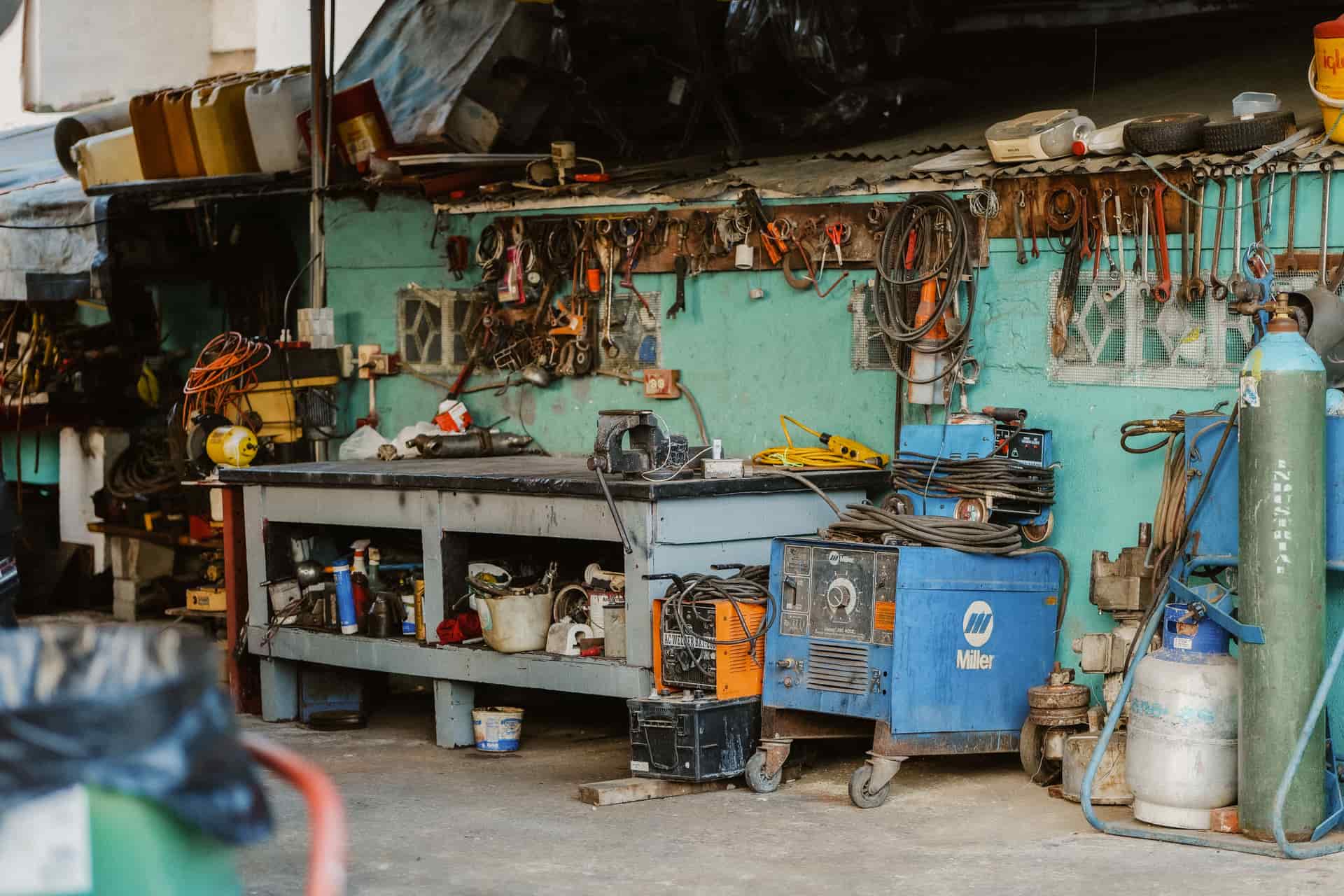
Welding in the driveway rather than the garage is normal and it introduces a problem that is easy to get wrong. Voltage drop over a long, thin extension cord starves the machine — the arc goes soft, the weld goes cold, and the cord warms up. The fix is heavier gauge and shorter runs, and welder extension cords covers how to size one properly rather than by feel.
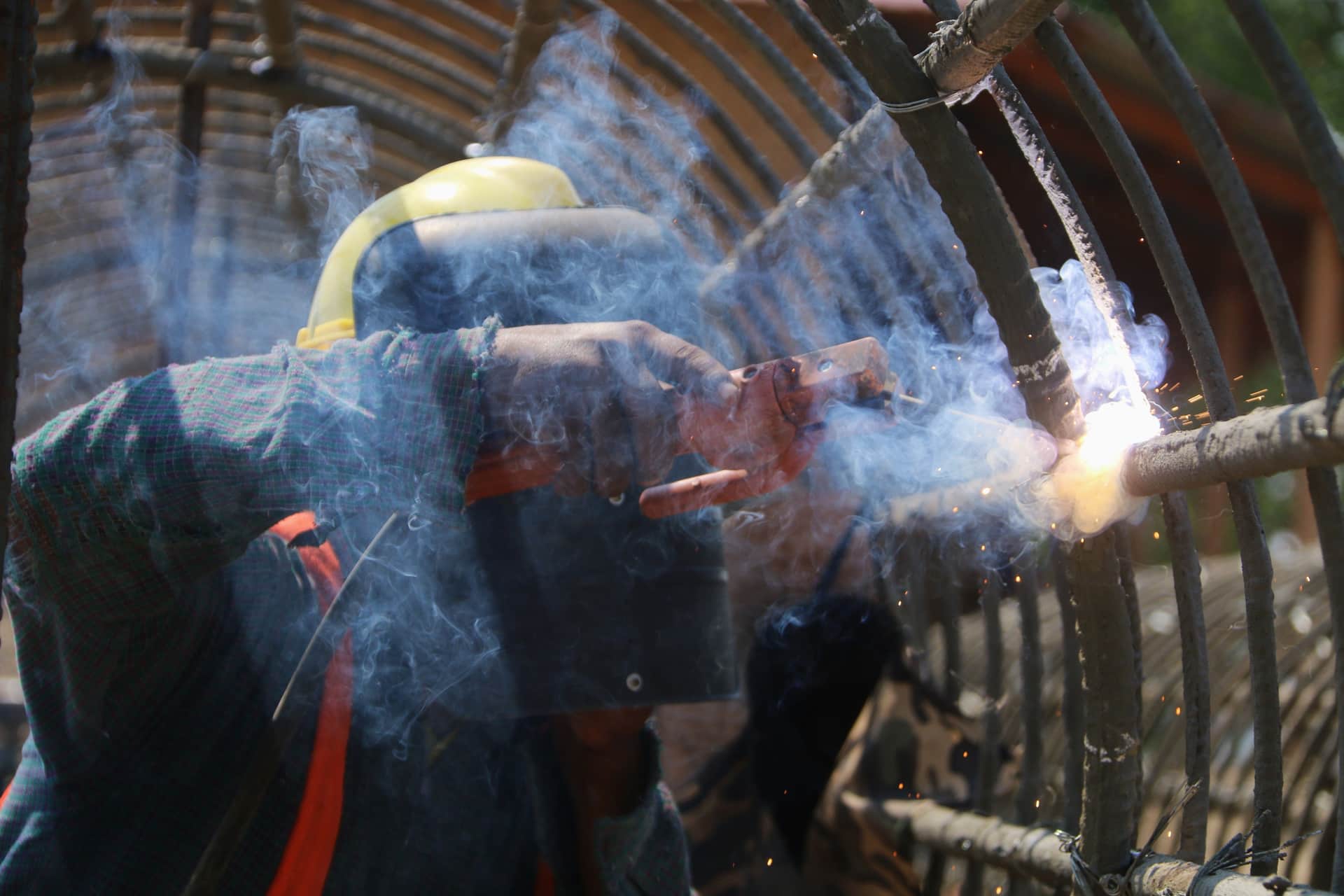
Wherever you are working, the process choice follows the conditions. Outdoors in any breeze, self-shielded flux-core is the correct process and gas MIG is the wrong one — the wind simply removes your shielding. That is not a downgrade; it is picking the right tool, and it is one of the reasons Level 1 gear keeps earning its place in shops that have long since moved past it.
Best on a household outlet
Machines that run on an ordinary household circuit, and what that ceiling means for what you can build.
Our pick: Forney Easy Weld 261 140 FC-i
Best on a 240V circuit
The machines worth running a 240V circuit for, and how to size that circuit before you buy.
Our pick: Hobart Handler 210 MVP

Comparison
The decision that sets your ceiling: what each supply voltage welds, and what the circuit really costs.
Guide
Read the rating plate, not the marketing. What decides the circuit, and what to tell your electrician.
Reference
Input amps by machine type and voltage, and why it is a completely different number from the output on the box.
Guide
When shielding gas is genuinely required and when flux-cored wire is the better answer.
Guide
Which shielding gas for which metal, and the one combination that cannot work.

Comparison
Not two grades of one thing — two gases for two metals. What happens when you swap them.
Reference
What each common cylinder holds, how long it lasts at real flow rates, and lease versus buy.
Guide
Voltage drop, gauge and length — why a thin cord makes a good machine weld badly.
Gear you need at every level
What you can see and what you can plug in decide more than the machine does.
Not sure you are in the right place?
Four rungs, four machines, and an honest answer about which one is yours.
It depends on the machine's rated input amperage at the output you will actually use, which is printed on its rating plate and in its manual. A typical 120-volt wire-feed welder specifies a 20-amp circuit; 240-volt machines commonly specify 30 to 50 amps.
Size the circuit from your machine's own stated requirement, and have the work done by a licensed electrician to the National Electrical Code and your local rules.
Input amps, not output amps, is the figure that matters for your circuit, and the two are very different numbers. A machine producing 140 output amps does not draw 140 amps from the wall.
The rating plate gives rated input amperage at a stated output. Use that number, not the machine's advertised output.
For gas metal arc welding — true MIG with solid wire — yes, by definition: the gas is the shielding. Without it the weld absorbs air and turns porous and brittle.
But many machines sold as MIG welders also run self-shielded flux-cored wire, which needs no gas at all. So the practical answer is that you need gas only if you want the cleaner, slag-free weld that gas MIG gives you.
One hundred percent argon. The 75/25 argon/CO2 mix used for mild steel will not work: carbon dioxide reacts with aluminum and produces a contaminated, unstable weld.
This applies to both aluminum MIG and TIG, and it usually means a second bottle rather than a swap.
Yes, with the right cord, and the wrong cord is a genuine hazard rather than merely an inconvenience. Voltage drop over a long, thin cord starves the machine and makes it weld poorly, while the cord itself heats up.
Use the heaviest gauge you can and keep the run as short as possible. Our extension cord guide covers how to size one.
Ryder M. is the hands-on owner behind Magoo Media Group. He writes Arc & Bead's buying guides and picks every machine on the site. What every recommendation is based on — and what it is not based on — is set out on How We Pick.