The best TIG welders under $500
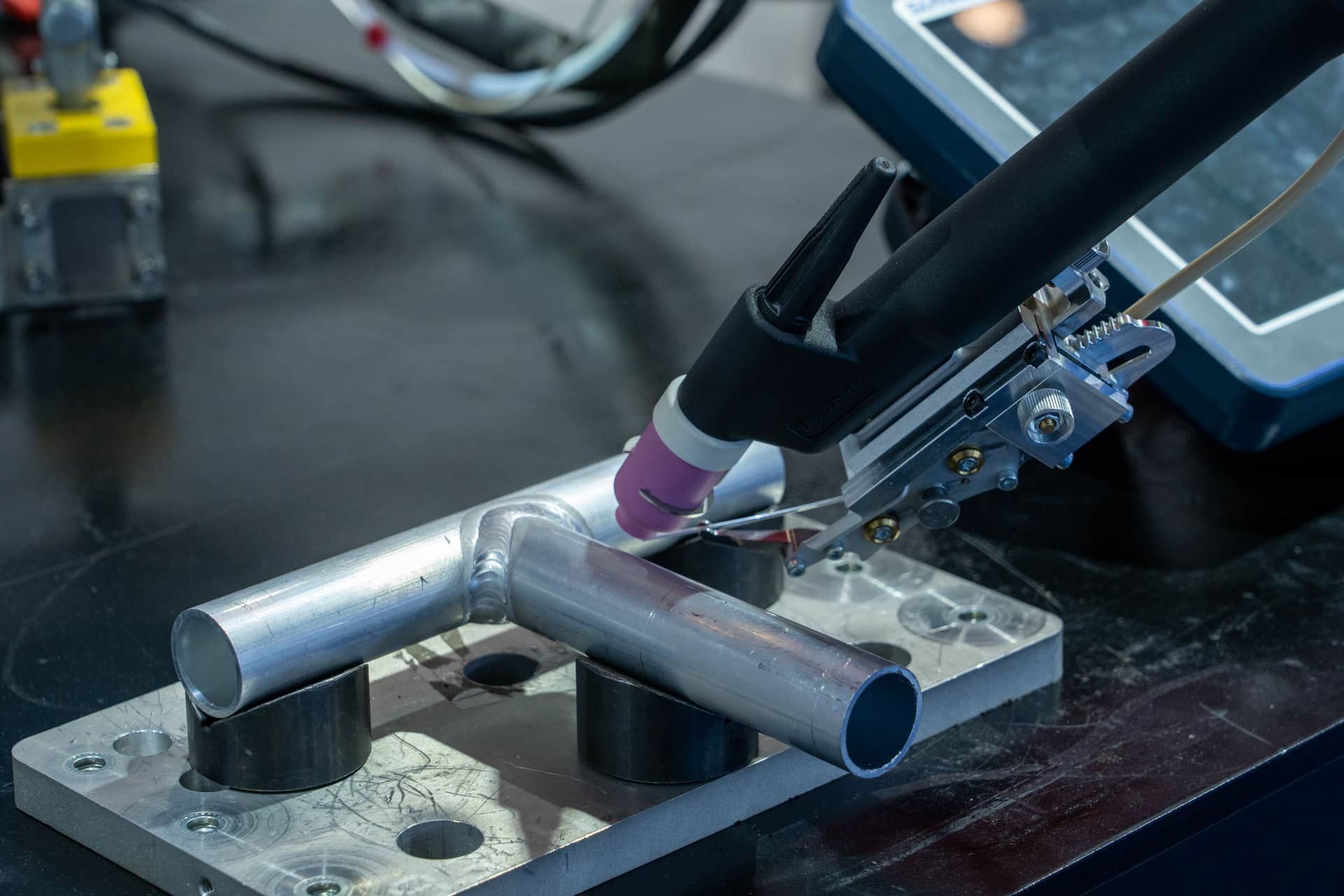
Under five hundred dollars buys a real TIG machine. It does not buy AC output, and no amount of shopping changes that.
Arc & Bead is an Amazon Associate. If you buy through a link on this page we may earn a commission, at no extra cost to you. We have not physically tested the machines on this page and we say so on How We Pick.
Quick picks
Tap any row to jump to the full write-up further down this page.
| # | Product | Best for | Price |
|---|---|---|---|
| 1 | ARCCAPTAIN TIG200HF-start DC TIG at 10 to 200 amps with a 60% duty cycle, in a machine you can carry. | Best TIG machine inside the cap | |
| 2 | 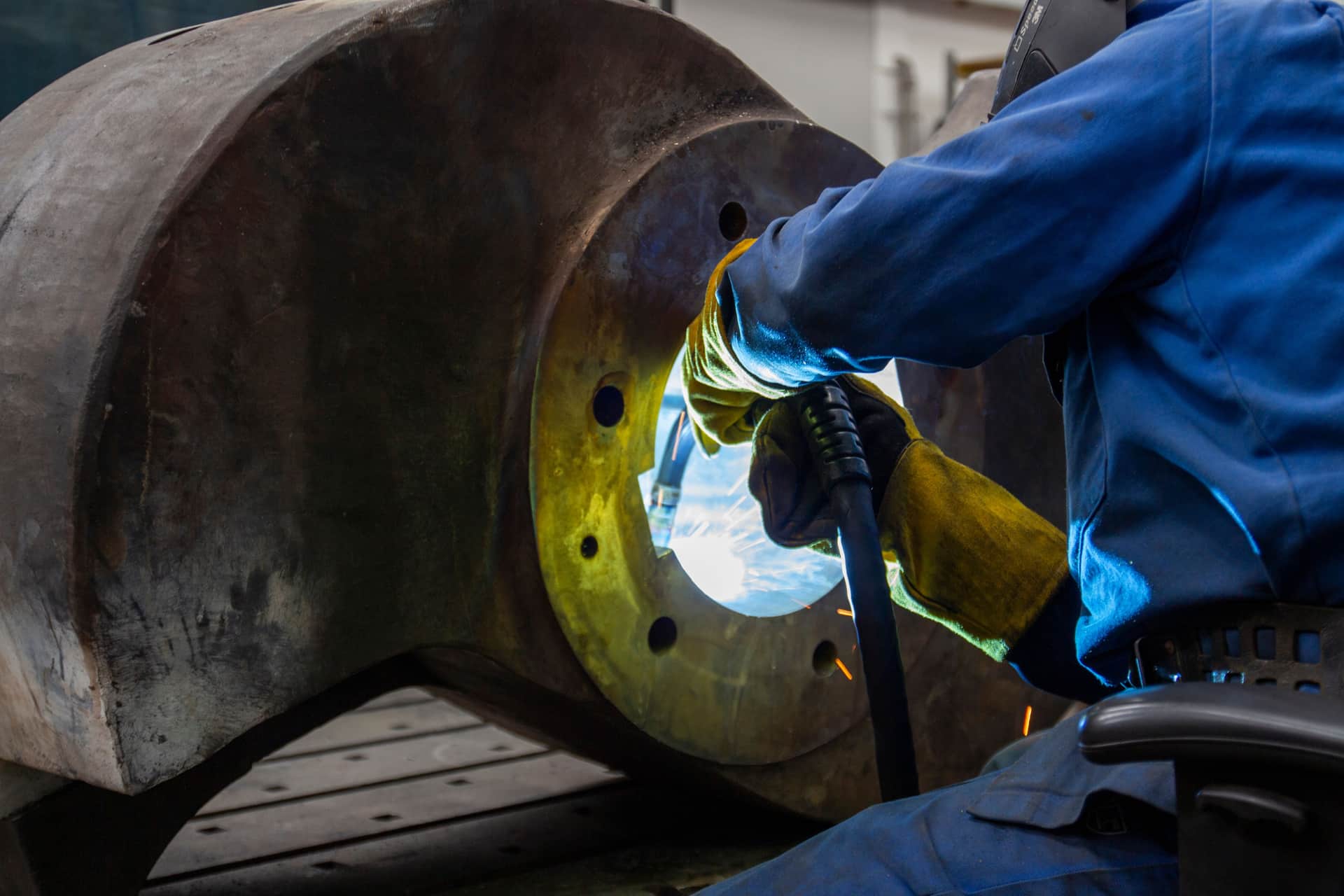 YESWELDER MIG-205DS PROLift-TIG on a five-process machine — less TIG capability, far more total capability. | Best if TIG is not the only thing you want | |
| 3 | Forney Easy Weld 271 140 MPDC lift TIG as a bonus on a 120 V multiprocess machine. Treat it as exactly that. | Cheapest honest route to a TIG arc |
What $500 buys in a TIG welder
Under $500 buys a DC TIG machine with high-frequency start, a 200 amp ceiling and dual voltage input. It does not buy AC output, so aluminum is out of reach at this budget, and it usually does not include a foot pedal. Everything inside the cap is a steel, stainless and chromoly machine.
How we apply the cap, and why there are no prices here
Every machine on this page was selected because its typical retail price sits below $500 at the time of writing. We check that before a machine goes on the page, and it is the filter that decides what appears.
What we will not do is print the number. Arc & Bead has no live price feed, so any figure here would be a snapshot we copied once and could not keep current — and on a page people find by searching a price cap, a stale number misleads in exactly the way the reader cannot detect. Prices move, bundles change, and machines cross the line in both directions.
So: check the price on the button before you buy. If a machine here has drifted above your cap, that is real information, and it is information a printed number would have hidden from you.
The one thing $500 does not buy, at any discount
AC output. It is a property of the machine's inverter, not a feature that gets discounted, and the cheapest genuinely supported AC/DC machines sit well above this cap.
This matters because a large share of people who move to TIG do so for aluminum. If that is you, a machine under $500 is not a cheaper way to get there — it is a machine that cannot get there, and you would be buying twice. The honest options are to save for an AC/DC machine, or to weld aluminum with a MIG machine and a spool gun instead.
AC vs DC TIG is the page that settles which side of this you are on.
Arc start is where the real difference is in this bracket
| Start method | How it works | What it costs you |
|---|---|---|
| High frequency | A spark ionizes the gas; the tungsten never touches the work | Nothing — this is what you want |
| Lift start | Touch, then lift; the machine limits current until the arc forms | Mild tungsten contamination, slightly untidy starts |
| Scratch start | Drag the tungsten like a stick electrode | Tungsten in the weld and a re-grind most strikes |
Inside a $500 cap you can have high-frequency start, which is why the machine that has it leads this page. Do not let a higher amperage figure on a scratch-start machine tempt you away from it.
Budget the whole setup, not the machine
The cap catches the machine. It does not catch the rest of it, and the rest is not optional.
You need argon — TIG has no gasless mode — which means a cylinder, a regulator and a refill arrangement. You need tungsten and a grinding wheel used for nothing else. You need a helmet whose lens actually triggers at low TIG amperage. And a foot pedal, if the machine does not include one, is the single upgrade that most improves what you can weld.
The welding starter kit checklist has the full list, and helmets at the entry end covers the one thing worth not economizing on.
Should you spend more instead?
Two honest answers, depending on what you want.
If you will weld steel and stainless only, no. A $500 HF DC machine is a real TIG welder and the money is better spent on gas, a pedal and a helmet than on a bigger number.
If aluminum is anywhere in your plans, yes — and the gap is larger than one step. TIG welders for the money covers where the value sits once the cap comes off.
1. Best TIG machine inside the cap
ARCCAPTAIN TIG200
HF-start DC TIG at 10 to 200 amps with a 60% duty cycle, in a machine you can carry.
ARCCAPTAIN publishes DC TIG at 10 to 200 amps, stick at 10 to 170 amps, a 60% duty cycle, high-frequency non-contact arc start, 110/220 volt dual input and 11.8 pounds.
High-frequency start is the line between a TIG machine and a machine with a TIG mode. Below this bracket you find scratch-start and lift-start machines, and both contaminate the tungsten to some degree on every strike — scratch start badly, lift start mildly. An HF machine starts the arc without touching the work at all.
A 60% duty cycle and a 200 amp ceiling are not compromises at this price; they are specifications a home shop will not reach. What you are giving up sits elsewhere: no AC, no pulse, and a torch and pedal you will want to improve.
What works
- High-frequency start rather than scratch start — the difference between a clean arc and a contaminated tungsten on every single strike
- 11.8 lb, so it goes to the work instead of the work coming to the bench
- Dual voltage, so it runs on a household outlet now and a 240 V circuit later
- The lowest price at which HF DC TIG is genuinely available from a supported brand
What does not
- DC only. No aluminum, now or ever, and no accessory changes that
- No pulse, so thin stainless relies on your hand rather than the machine to control heat
- A foot pedal and a better torch are extra, and both are worth budgeting for
2. Best if TIG is not the only thing you want
YESWELDER MIG-205DS PRO
Lift-TIG on a five-process machine — less TIG capability, far more total capability.
YESWELDER publishes gas MIG, flux-core, spool-gun aluminum MIG, lift TIG and stick on 110 or 220 volts, at up to 200 amps, with a digital display.
This is on a TIG page with a clear caveat: lift TIG is not HF TIG. You touch the tungsten to the work to start the arc and lift it away, which is far better than scratch starting and still not as clean as high frequency. For occasional stainless and steel TIG on a machine that mainly does MIG, it is genuinely fine.
What buys its place inside the cap is everything else. If your honest answer is "I want to try TIG but I mostly need to weld things", one multiprocess machine inside the budget beats a dedicated TIG machine you use twice a year.
What works
- Synergic mode sets voltage and wire speed from the thickness you select, which removes the single hardest part of learning MIG
- Spool-gun capable, so aluminum is a gun purchase rather than a machine purchase
- 22.7 lb for a 205 A dual-voltage machine is remarkable
What does not
- Lift TIG is DC only and has no foot pedal, so it will not weld aluminum and is not a route to Level 3
- Five processes means five sets of consumables to stock
- Dealer support and warranty handling are not on the level of Hobart or Lincoln
Who this is wrong for: Anyone buying specifically to learn TIG properly. Lift start and no pedal will hold your technique back in a way a dedicated machine would not.
3. Cheapest honest route to a TIG arc
Forney Easy Weld 271 140 MP
DC lift TIG as a bonus on a 120 V multiprocess machine. Treat it as exactly that.
Forney publishes gas MIG, flux-core, stick and DC lift TIG on 120 volts, at up to 140 amps.
Included because it is the cheapest way to strike a TIG arc at all, and because being straight about it is more useful than pretending. Forney themselves position TIG as one of three processes rather than the point of the machine: there is no pedal, no high-frequency start, and the TIG torch is a separate purchase.
As a first machine for a 120 volt garage that will mostly run MIG and stick, it is a sound buy. As a TIG machine it is a way to find out whether you like the process before you spend properly.
What works
- Stick capability matters more than it sounds: rusty, painted or outdoor steel is where MIG struggles and stick does not
- Same simple two-dial interface as Forney's flux-core machines
What does not
- 120 V only — the 140 A ceiling caps you at roughly 1/4 in
- TIG is lift-start DC with no pedal; treat it as a bonus, not a feature you bought
- Spool gun is not supported, so aluminum MIG is out
Who this is wrong for: Anyone who wants TIG to be the main process. A 140 amp 120 V machine with lift start and no pedal is not the machine to learn on.
Questions people actually ask
Can you get a decent TIG welder under $500?
Yes, if you only need DC. Inside that budget you can get high-frequency start, a 200 amp ceiling, a 60% duty cycle and dual voltage input, which is a genuine TIG machine.
What you cannot get is AC output, so aluminum is off the table at this price.
Can a TIG welder under $500 weld aluminum?
No. Aluminum TIG requires AC output, and AC is a property of the inverter rather than an accessory — the cheapest well-supported AC/DC machines sit well above $500.
If aluminum is the reason you want TIG, save for an AC/DC machine or weld it with a MIG spool gun instead.
Is lift-start TIG good enough?
For occasional work, yes. Lift start touches the tungsten to the work and lifts away with the current limited, which is far cleaner than scratch starting.
It is still not as clean as high frequency, and if you are learning TIG properly the HF machine is worth prioritising.
What else do I need to budget for beyond the machine?
Argon and a regulator, because TIG has no gasless mode. Tungsten and a dedicated grinding wheel. A helmet rated for low-amperage TIG arcs. And a foot pedal if one is not included.
That list adds meaningfully to the cost of the machine and none of it is optional.
Why don't you show the prices?
Because this site has no live price feed, so any number we printed would be a snapshot we could not keep current. On a page people find by searching a price cap, that is especially misleading.
Every machine here was selected because its typical price sits under the cap, and every button links to the retailer's current figure so you can confirm it.
Sources
Read next
- The best TIG welders for the money
Where the money actually goes on a TIG machine, and which ones return the most capability per dollar.
- AC vs DC TIG: which do you actually need?
What AC output does, why DC cannot weld aluminum, and how to decide before you buy.
- The best value AC/DC TIG welders
What the value end of the AC/DC TIG market compromises, and the upgrade that changes most.
- TIG welding for beginners
Torch angle, arc length, feeding rod — the order to learn TIG in so it stops feeling impossible.
- The best MIG welders for aluminum
Spool gun, 100% argon and enough amperage — what aluminum MIG actually needs, and which machines support it.
- The welding starter kit checklist
Everything that is not the welder, ordered by how much each item changes your results.
Back to Level 3 · TIG, or start over at Find Your Level.
Ryder M.
Ryder M. is the hands-on owner behind Magoo Media Group. He writes Arc & Bead's buying guides and picks every machine on the site. What every recommendation is based on — and what it is not based on — is set out on How We Pick.