The best MIG welders for auto body work
Body panels are the one job where less capable machines can be better. What matters is the bottom of the amperage range, not the top.
Arc & Bead is an Amazon Associate. If you buy through a link on this page we may earn a commission, at no extra cost to you. We have not physically tested the machines on this page and we say so on How We Pick.
Quick picks
Tap any row to jump to the full write-up further down this page.
| # | Product | Best for | Price |
|---|---|---|---|
| 1 | 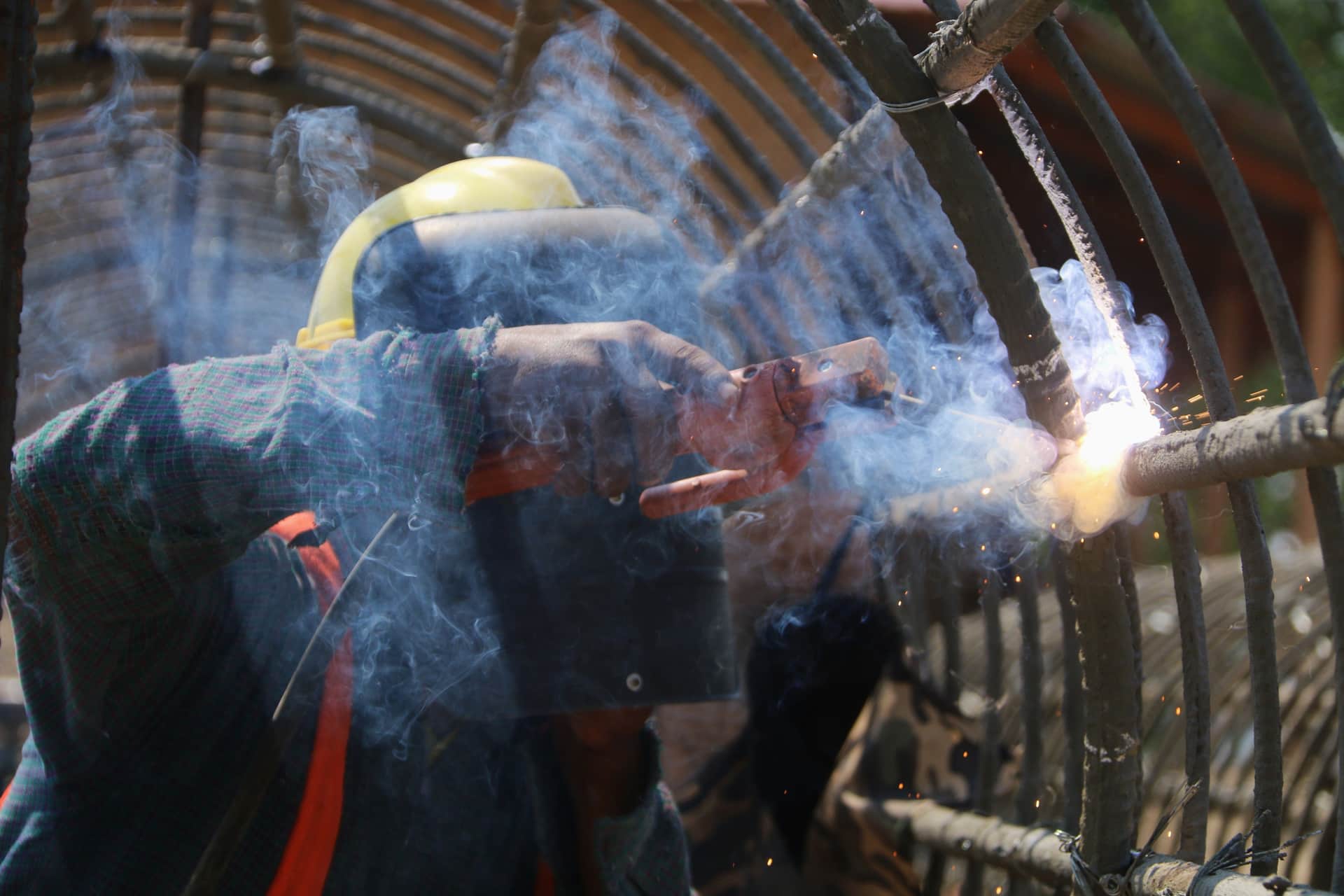 Hobart Handler 140Starts at 25 amps, which is what thin sheet actually needs. | Best overall for panels | |
| 2 | 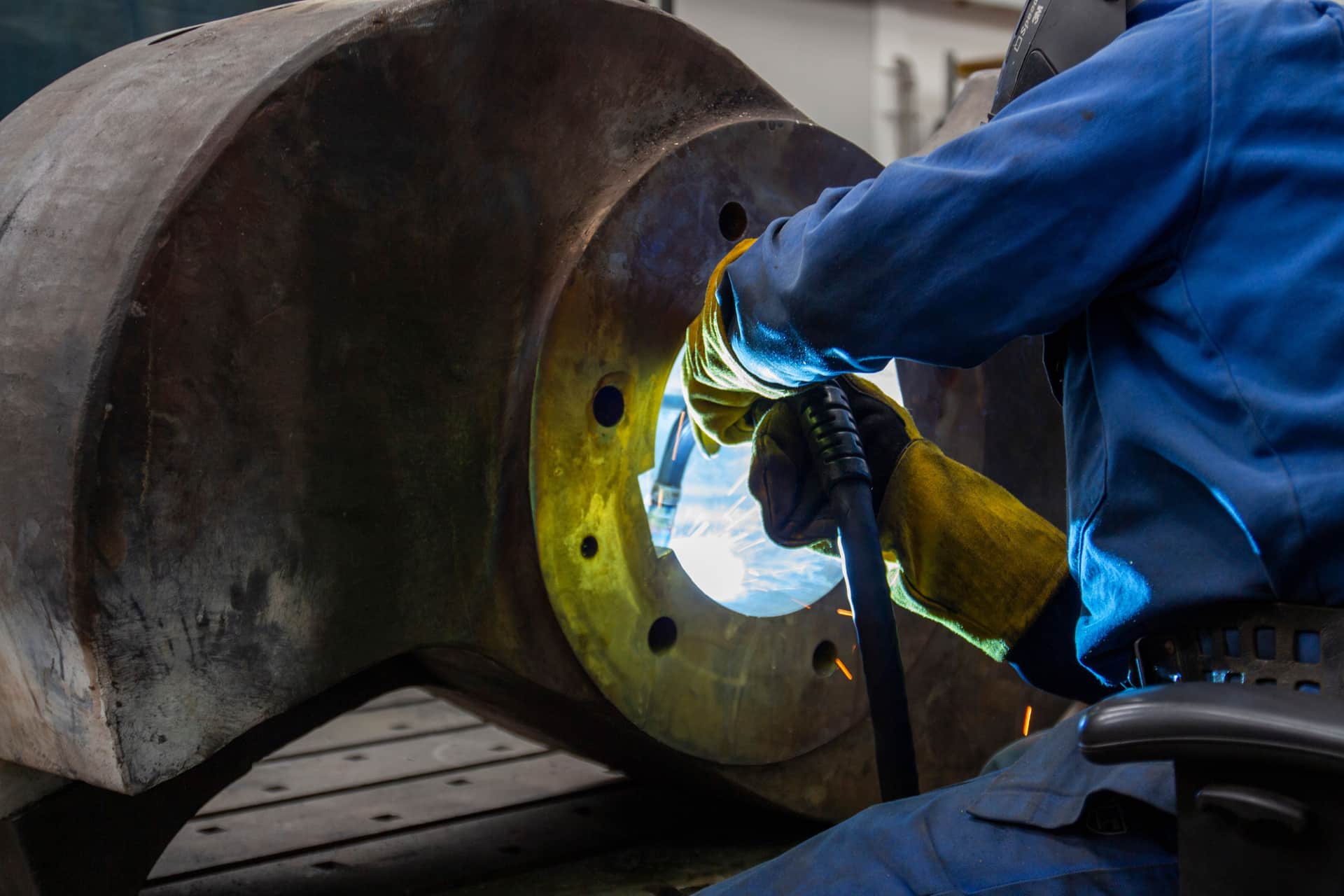 YESWELDER MIG-205DS PROSynergic mode with a thickness selection, and a 30 amp MIG floor. | Best low-end control | |
| 3 | 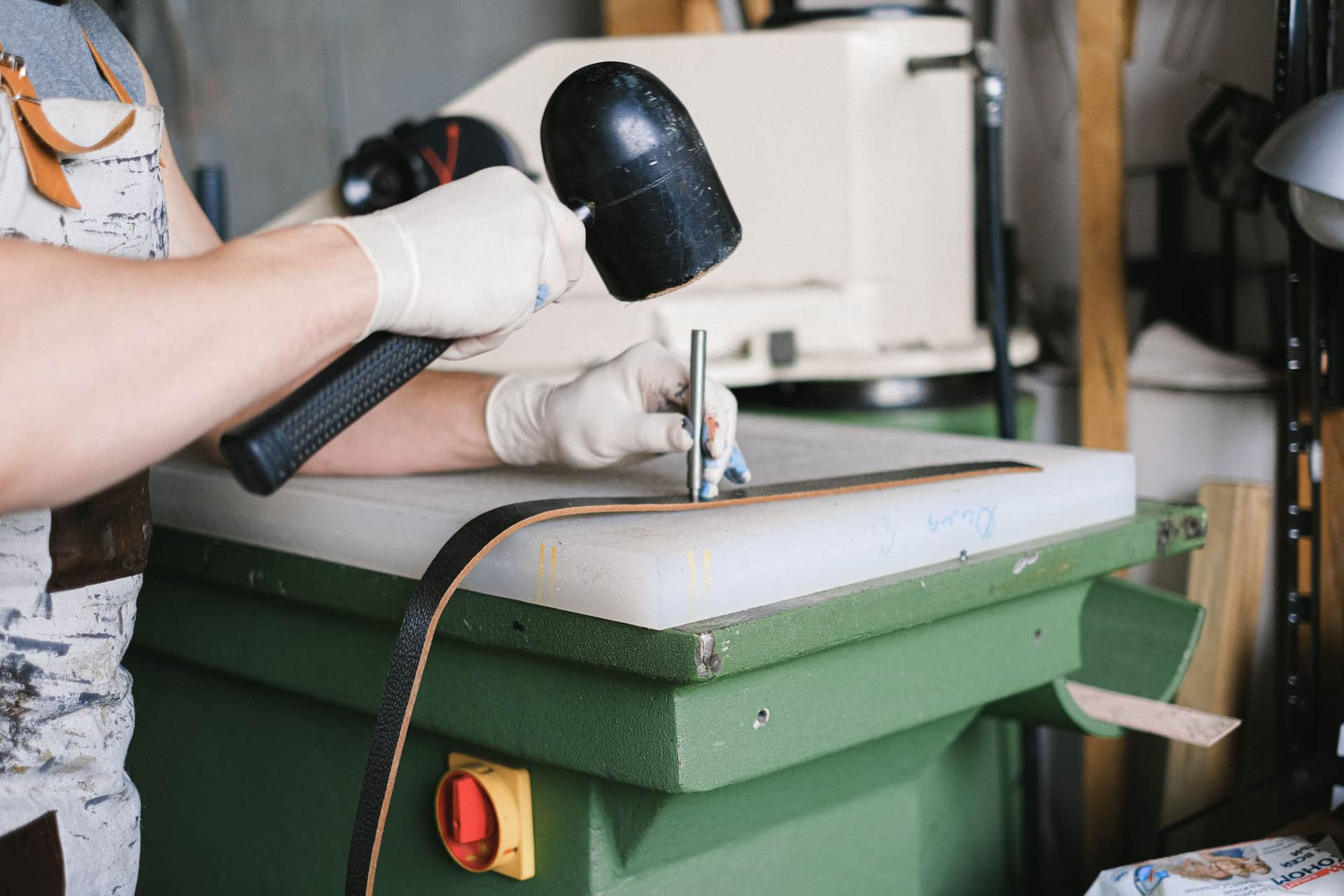 Lincoln Electric traditional MIG/stick welding glovesA steady supported hand matters more on thin panels than on anything else. | The unglamorous requirement |
Why this page inverts the usual advice
Everywhere else on this site, more capability is better. For body panels it is not. What matters is how low and how controllably the machine will run — the bottom of the amperage range, fine adjustment near it, and the ability to feed 0.024 inch wire. A 210-amp machine has no advantage here over a 140-amp one.
The actual problem with thin sheet
Body panel steel is typically 18 to 22 gauge — thin enough that the heat of a weld does two things that thicker material does not.
It blows through. There is not enough metal to absorb the heat, so the puddle drops through and leaves a hole.
It warps. This is the one people underestimate. Heat expands the panel locally; as it cools it contracts, and the panel ends up distorted around the weld. On a visible body panel, warping ruins the job even when every weld is sound.
Everything about body-work technique exists to manage heat input, which is why the machine's low end and your patience matter more than output.
Why flux-core is the wrong process here
Self-shielded flux-core runs hotter and less controllably at the low end, and it throws spatter that has to be cleaned off a panel that will be painted.
More decisively, there is no self-shielded wire as fine as 0.024 inch. That diameter is the single biggest advantage gas MIG has on thin material, and it has no flux-core equivalent.
Flux-core versus MIG covers the general comparison; on panels specifically it is not close.
Wire and gas for panel work
Wire: 0.024 inch ER70S-6. Thinner wire needs less current for a stable arc, which is exactly what you want. ER70S-6 carries extra deoxidizers, making it more tolerant of the light surface contamination panels usually have.
Gas: 75/25 argon/CO2 works well. Some people prefer an argon-richer mix such as 90/10 for a softer arc and slightly less heat input, which is a genuine refinement rather than a necessity. What gas for MIG welding covers the options.
Also fit a smaller contact tip to match the wire, and check the liner suits 0.024 inch. Running fine wire through a liner sized for 0.035 inch causes feeding problems that look like machine faults.
Technique, which matters more than the machine
Stitch, do not run. Short tacks with a pause between, letting the panel cool. A continuous bead on 20-gauge sheet will blow through or warp, or both.
Skip around. Do not work along a seam in order. Tack at one end, then the other, then the middle, spreading heat across the panel rather than concentrating it.
Use a copper backing. Weld does not stick to copper, and a copper block behind a hole or a gap gives the puddle somewhere to sit while it solidifies. This is the technique that turns rust-hole repair from impossible into routine.
Fit-up matters more than anywhere else. A gap on thick material is filled with filler metal; a gap on thin sheet becomes a hole. Cut and fit accurately before you weld.
MIG welding sheet metal covers the technique in full.
Two things worth knowing about panel work specifically
Much automotive sheet is galvanized, and welding galvanized steel releases zinc oxide fume that causes a genuinely unpleasant flu-like illness. Grind the coating off the weld area first, ventilate properly, and wear a respirator — respirators and fume safety covers it.
And if the panel is on the car, disconnect the battery, keep the work clamp close to the weld so current does not travel through the vehicle's electronics, and move anything flammable — including fuel lines and sound deadening — well clear.
1. Best overall for panels
Hobart Handler 140
Starts at 25 amps, which is what thin sheet actually needs.
Hobart publishes an output range starting at 25 amps. For body work the bottom of that range is the specification that matters, because the failure mode on a panel is always too much heat rather than too little.
A 20% duty cycle at 90 amps is irrelevant here in the best way — panel work is stitch welding, short tacks with cooling pauses between, so you are never near the duty cycle anyway.
Run 0.024 inch solid wire rather than 0.030. It needs less current for a stable arc, which lets you work at the low settings a panel demands.
What works
- The most documented 120 V MIG machine there is — every settings question has already been answered somewhere
- Runs flux-core on day one and gas MIG the day you buy a bottle, so the machine survives the level change
- Built-in five-position drive-roll tension and a genuine cast-aluminum drive system
What does not
- 20% duty cycle at 90 A is roughly two minutes of arc time in ten. Fine for a gate, not for a trailer deck in one sitting
- Single-voltage: it will never take advantage of a 240 V circuit if you later run one
- Needs its own 20 A circuit. Shared with a freezer and a shop light, it will trip
2. Best low-end control
YESWELDER MIG-205DS PRO
Synergic mode with a thickness selection, and a 30 amp MIG floor.
Synergic control is unusually valuable on thin material. Getting voltage and wire speed right on 20-gauge sheet is the hardest settings problem in home welding, and a machine that starts you from a manufacturer's table for that thickness removes most of the guesswork.
YESWELDER publishes 30 to 160 amps MIG on 110 volts, with fine voltage adjustment around the synergic setting and wire feed from 58 inches per minute.
Its spool-gun capability is worth noting on a body-work page: aluminum panels exist, and they need 100% argon and a spool gun rather than steel settings.
What works
- Synergic mode sets voltage and wire speed from the thickness you select, which removes the single hardest part of learning MIG
- Spool-gun capable, so aluminum is a gun purchase rather than a machine purchase
- 22.7 lb for a 205 A dual-voltage machine is remarkable
What does not
- Lift TIG is DC only and has no foot pedal, so it will not weld aluminum and is not a route to Level 3
- Five processes means five sets of consumables to stock
- Dealer support and warranty handling are not on the level of Hobart or Lincoln
3. The unglamorous requirement
Lincoln Electric traditional MIG/stick welding gloves
A steady supported hand matters more on thin panels than on anything else.
On quarter-inch plate a slightly unsteady hand makes a slightly untidy bead. On 20-gauge sheet it makes a hole.
A thick glove that lets you rest your hand on the panel is the cheapest improvement available for this work. Steadiness is the whole skill here.
Split leather with an insulated lining and a long cuff. Too thick for TIG, which is a different job.
What works
- Thick enough that you can rest a hand near the work without flinching, which improves your gun control more than any setting
- Long cuff protects the wrist gap where spatter finds you
What does not
- Far too thick for TIG — you cannot feel a filler rod through them
- Stiff until broken in
Who this is wrong for: TIG work on the same panels. These are deliberately thick and you cannot feed filler rod through them.
Questions people actually ask
What is the best welder for sheet metal?
A gas MIG machine with a low minimum amperage, fine adjustment near the bottom of its range, and the ability to run 0.024 inch wire.
Maximum output is irrelevant here — a 140-amp machine is no worse than a 210-amp one for panel work, and may be easier to control.
What wire size for car body panels?
0.024 inch ER70S-6 solid wire. The finer diameter needs less current for a stable arc, which lets you work at the low heat thin panels require.
Fit a matching contact tip and check the liner suits it — fine wire in an oversized liner causes feeding problems that look like machine faults.
Can I use flux core on body panels?
It is the wrong process. Flux-core runs hotter and less controllably at low settings, throws spatter onto a panel that will be painted, and there is no self-shielded wire as fine as 0.024 inch.
Gas MIG's low end and fine wire are exactly what panel work needs.
How do I stop the panel warping?
Manage total heat input rather than individual welds. Stitch weld in short tacks with cooling pauses, skip around the seam instead of working along it, and keep fit-up tight so you are not filling gaps.
A copper backing block behind a hole gives the puddle somewhere to sit and reduces the heat needed.
Is welding on a car safe?
With precautions. Disconnect the battery, attach the work clamp as close to the weld as possible so current does not travel through the vehicle's electronics, and move fuel lines, sound deadening and anything flammable well clear.
Much automotive sheet is galvanized, so grind the coating off the weld area, ventilate, and wear a respirator.
Sources
Read next
- MIG welding sheet metal without burning through
Stitch welding, heat management and copper backing — the techniques thin sheet actually needs.
- The best MIG welders for beginners
Gas-capable machines for a home shop, and the one specification that makes learning MIG easier.
- What gas do you need for MIG welding?
Which shielding gas for which metal, and the one combination that cannot work.
- Welding respirators and fume safety
What is in welding fume, what a P100 filter does and does not remove, and when it is mandatory.
- Welding wire size chart
Which diameter for which thickness, and why the wrong wire looks like a machine fault.
- Level 2 · MIG: when the gas bottle is finally worth it
You can already lay a bead. This level is about what changes when you add a gas bottle — and about being honest that it is not only an upgrade.
Back to Level 2 · MIG, or start over at Find Your Level.
Ryder M.
Ryder M. is the hands-on owner behind Magoo Media Group. He writes Arc & Bead's buying guides and picks every machine on the site. What every recommendation is based on — and what it is not based on — is set out on How We Pick.