The best flux-core welders for farm use
On a farm the wind decides the process before you do. Gas MIG blows away outdoors; flux-core does not care.
Arc & Bead is an Amazon Associate. If you buy through a link on this page we may earn a commission, at no extra cost to you. We have not physically tested the machines on this page and we say so on How We Pick.
Quick picks
Tap any row to jump to the full write-up further down this page.
| # | Product | Best for | Price |
|---|---|---|---|
| 1 | 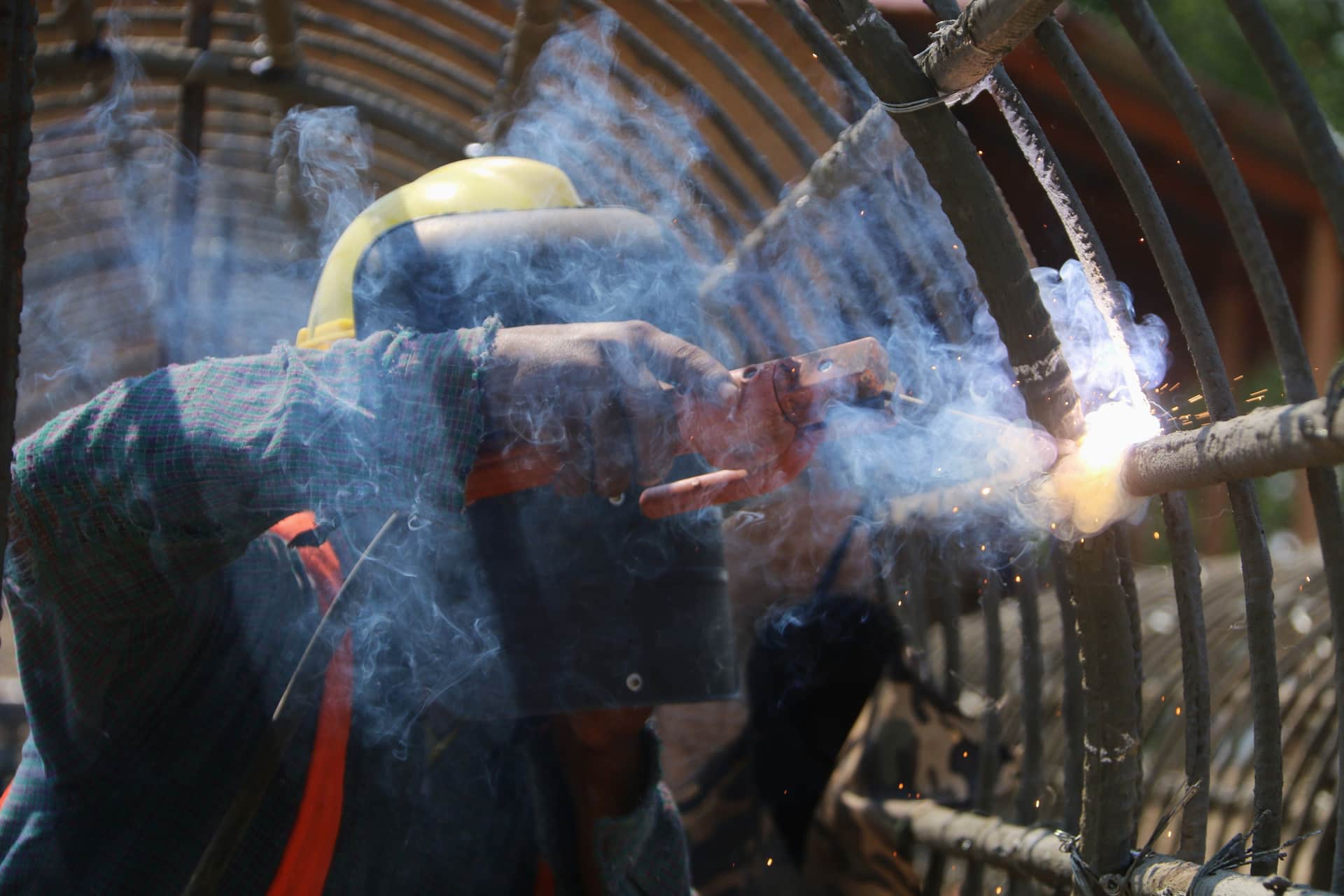 Hobart Handler 210 MVP210 amps on 230 V, 3/8 in single pass, and it runs flux-core without a bottle. | Best for farm repairs | |
| 2 | 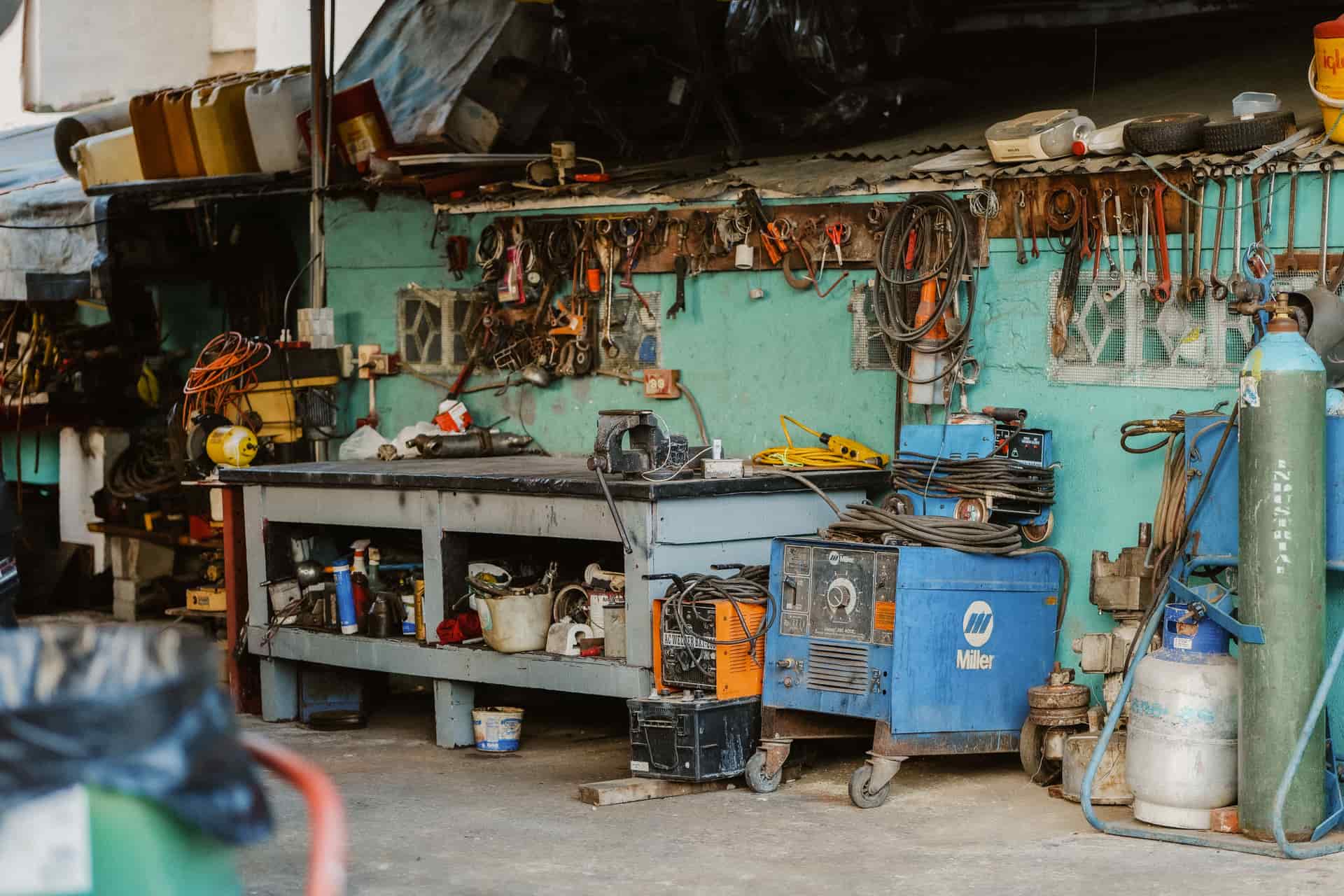 Forney Easy Weld 261 140 FC-i19 lb, 120 V and no bottle — the machine that actually goes out to the gate. | Best to carry to the job | |
| 3 | 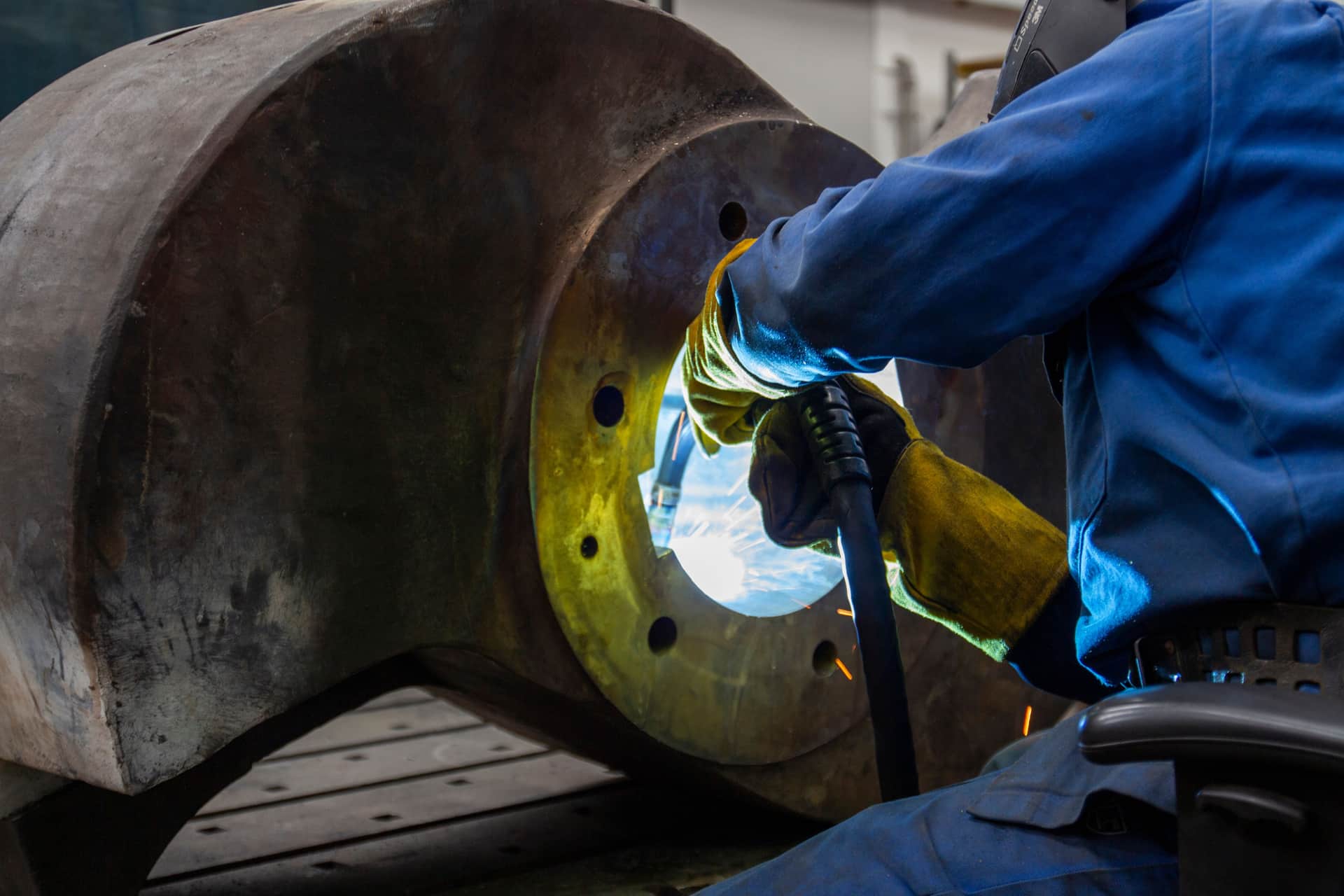 Forney Easy Weld 271 140 MPAdds stick, which is the process that shrugs off rust, paint and weather. | Best if stick matters too | |
| 4 | 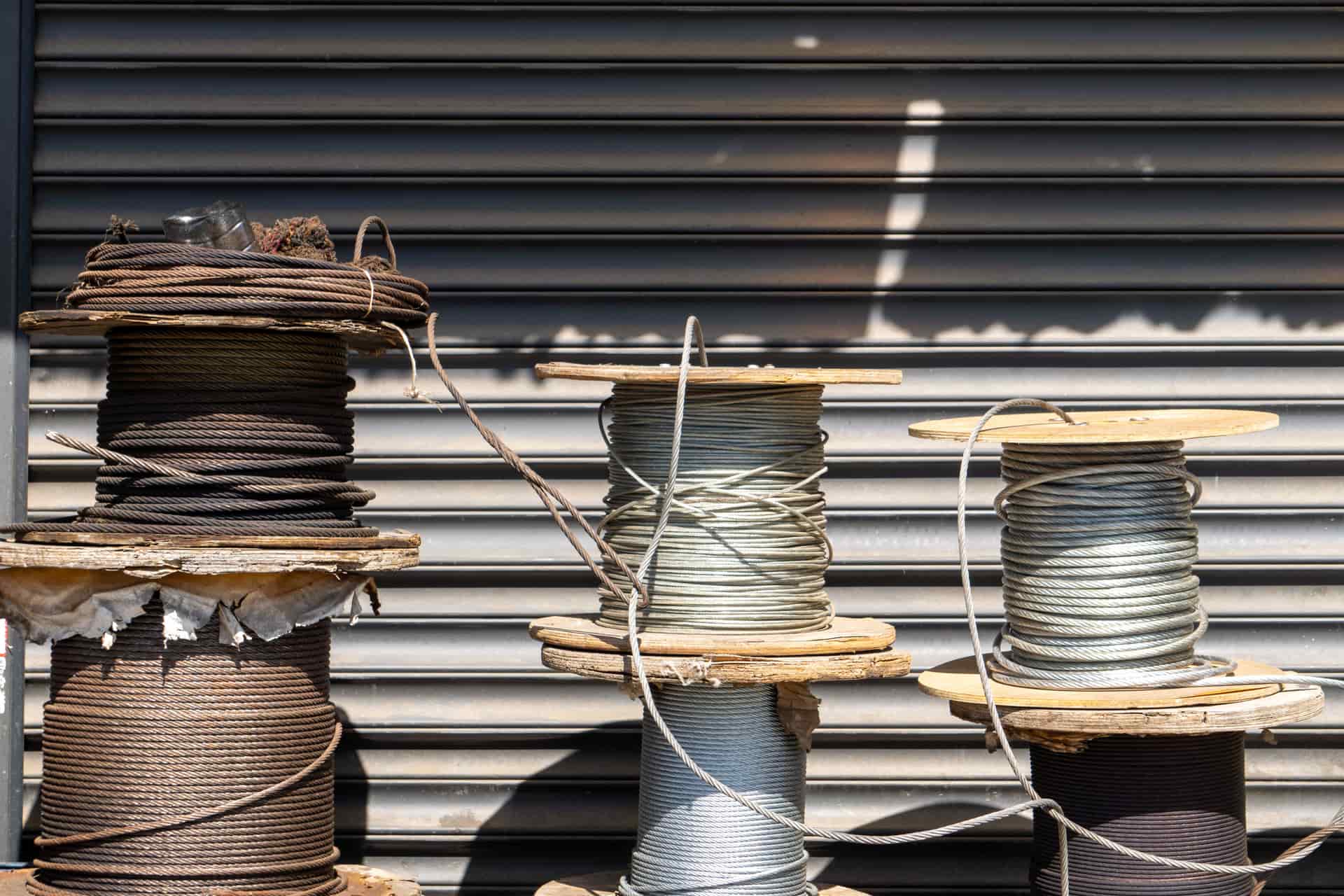 Lincoln Electric Innershield NR-211-MP flux-cored wireAvailable in every farm store, with published settings and predictable behaviour. | The wire to keep on the shelf |
What welder is best for farm use?
For most farm repair work, a flux-core capable machine with enough output for quarter-inch and thicker steel — ideally one that runs on 240 volts for implement work and on 120 volts or a generator for repairs away from the shop. Gas MIG is the wrong process outdoors, because even a light breeze blows the shielding gas off the weld.
Why gas MIG is the wrong process outdoors
A gas MIG weld is protected by a column of shielding gas flowing out of the nozzle. A breeze of five miles an hour is enough to disturb it, and once the shield is disrupted the weld picks up porosity — gas pockets in the metal that you cannot see and that weaken the joint.
You can raise the flow rate, which wastes gas and causes turbulence of its own, or you can put up screens, which is not practical in a field.
Flux-cored wire carries its shielding inside the wire, released as the flux burns. There is nothing for the wind to blow away. That is the whole reason this page recommends gasless machines for farm work rather than the better-looking process.
Farm steel is dirty, and that changes the ranking
Almost nothing on a farm is clean mill stock. It is painted, galvanized, rusted, or all three, and it has usually been repaired before.
| Process | Rust and paint | Wind | Thick section |
|---|---|---|---|
| Flux-core | Tolerates it far better than gas MIG | Unaffected | Good, with enough amperage |
| Gas MIG | Poor — needs clean metal | Poor — porosity in a breeze | Good, with enough amperage |
| Stick | Best of the three | Unaffected | Good, and no wire feed to jam |
Grinding back to bright metal is still the right thing to do wherever you can. The point is that flux-core forgives the places where you cannot.
Power: the shop circuit, the yard and the generator
Three supply situations, and most farms have all three.
In the shop. If there is a 240 volt circuit, use it — that is where a 210 amp machine earns its keep on implement steel.
Down the yard. A long extension cord to a 120 volt machine, which works if the cord is heavy enough. Undersized cord is the most common cause of a machine that suddenly "lost power" — welder extension cords covers the gauge and length you need.
In the field. A generator, which needs enough continuous output for the machine at the setting you will actually use, not its idle draw. How many amps a welder uses covers how to work that out before you find out the hard way.
A note on generators
What to keep in the shop so a repair is a repair
The machine is the part people plan. The rest is what decides whether a broken gate is a twenty-minute job or a Saturday.
Spare contact tips and nozzles, more wire than you think, a grinder with both cutting and grinding discs, a wire brush, clamps that actually hold, and a helmet that lives somewhere you can find it. The welding starter kit checklist has the full list.
When a farm should buy a stick machine instead
Worth saying plainly: if most of what you weld is heavy, filthy, outdoors and thick, stick may genuinely be the better first purchase. It has no wire feed to jam, the rods keep indefinitely if you store them dry, and 6011 will burn through material that would stop a wire-feed machine.
The reason flux-core usually wins anyway is speed and ease — it is far quicker to learn and far quicker to lay down metal with. Flux-core vs stick for beginners sets the comparison out properly.
1. Best for farm repairs
Hobart Handler 210 MVP
210 amps on 230 V, 3/8 in single pass, and it runs flux-core without a bottle.
Hobart publishes gas MIG and flux-core operation, 115 or 230 volt input via the multi-voltage plug, 25 to 210 amps (140 on 115 volts, 210 on 230), a 30% duty cycle at 150 amps, capacity from 24 gauge to three-eighths of an inch single pass, and seven voltage settings on 230 volts.
Farm steel is thick. Implement frames, bucket edges, hitches, gate posts and trailer chassis are quarter-inch and up, and a 140 amp 120 volt machine simply runs out. Three-eighths of an inch in a single pass is what makes this a farm machine rather than a shop machine.
Running it on flux-core wire means no bottle to cart to the far end of the yard and nothing for the wind to take away. The gas capability is still there for tidy work back at the shop, which is a genuinely useful combination on a farm.
The 30% duty cycle at 150 amps is a working rating rather than a demonstration figure, and on repair work — where you weld a long seam, not a tack — that is the specification you notice.
What works
- The multi-voltage plug means you can buy it before you have run a 240 V circuit and get the full 210 A later
- 3/8 in single-pass capacity covers essentially every home fabrication job
- 30% duty cycle at 150 A is a real working duty cycle, not a demonstration figure
What does not
- Heavy enough that you will want a cart, which is another purchase
- On 115 V you get 140 A — no more than the Handler 140, at a much higher price. The value only appears once you have the 240 V outlet
- No spool gun included, so aluminum is a further purchase
2. Best to carry to the job
Forney Easy Weld 261 140 FC-i
19 lb, 120 V and no bottle — the machine that actually goes out to the gate.
Forney publishes flux-core only operation on 120 volts with a 20 amp circuit minimum, 140 amps maximum, a 30% duty cycle at 90 amps, 0.030 and 0.035 inch wire, capacity to a quarter inch of mild steel and 19 pounds.
Most farm welding does not happen at a bench. It happens where the thing broke, which is usually somewhere inconvenient with a long extension cord or a generator involved.
Nineteen pounds with no bottle and no regulator is what makes that practical. The whole kit is the machine, a spool of wire, a helmet and a grinder, and it fits in the back of a truck without a second trip.
A quarter-inch ceiling is the honest limit. It handles gates, panels, light frames and most sheet repairs, and it will not do a bucket edge.
What works
- 30% duty cycle at 90 A is unusually generous for a 120 V machine in this class
- Infinite voltage and wire-speed control rather than four fixed taps, so you can actually dial a setting in
- 19 lb — genuinely carryable to the job instead of the job coming to it
- No gas bottle, no regulator, no second purchase before your first weld
What does not
- Flux-core only. It will never run gas, so it cannot become your Level 2 machine
- Every weld leaves slag that has to be chipped and wire-brushed off
- Needs a 20 A circuit — a 15 A garage lighting circuit will trip at higher settings
Who this is wrong for: Heavy implement steel. A 120 V 140 A machine at a quarter-inch ceiling is not the machine for a hitch or a bucket.
3. Best if stick matters too
Forney Easy Weld 271 140 MP
Adds stick, which is the process that shrugs off rust, paint and weather.
Forney publishes gas MIG, flux-core, stick and DC lift TIG on 120 volts, at up to 140 amps.
Stick is on this page for a specific farm reason. Flux-core tolerates dirty steel far better than gas MIG does, but stick tolerates it better still — a 6011 rod will burn through rust, paint and mill scale that would give a wire-feed machine trouble.
On a farm, where a lot of what you weld has been outside for twenty years, that matters. So does the fact that stick needs no wire feed at all, which is one fewer thing to go wrong in a dusty environment.
Same 120 volt limits as the machine above, and the lift TIG is a bonus rather than a reason to buy.
What works
- Stick capability matters more than it sounds: rusty, painted or outdoor steel is where MIG struggles and stick does not
- Same simple two-dial interface as Forney's flux-core machines
What does not
- 120 V only — the 140 A ceiling caps you at roughly 1/4 in
- TIG is lift-start DC with no pedal; treat it as a bonus, not a feature you bought
- Spool gun is not supported, so aluminum MIG is out
4. The wire to keep on the shelf
Lincoln Electric Innershield NR-211-MP flux-cored wire
Available in every farm store, with published settings and predictable behaviour.
On a farm the wire you can get on a Saturday beats the wire that was marginally better and is three days away.
NR-211-MP is stocked almost everywhere, Lincoln publishes procedure tables for it, and its behaviour is predictable enough that settings advice written for someone else's machine usually transfers.
Keep a spool in the shop and a spool in the truck. Running out of wire mid-repair with the gate off its hinges is a specifically agricultural kind of frustration.
What works
- Lincoln publishes full procedure tables for it, so there is a documented starting setting for every thickness
- All-position rated — it will run a vertical fillet, not just a flat bead
- Available in 1 lb, 5 lb and 10 lb spools, so a small machine does not need a big spool
What does not
- Noticeably more expensive per pound than unbranded E71T-GS wire
- Like every self-shielded wire it produces slag and more spatter than a gas process
Questions people actually ask
What welder is best for farm use?
A flux-core capable machine with enough output for quarter-inch and thicker steel — 240 volts in the shop for implement work, and something portable for repairs away from it.
The key point is gasless: on a farm most welding happens outdoors, and gas MIG does not work in wind.
Can you MIG weld outside on a farm?
Not reliably with gas. A breeze of around five miles an hour is enough to disturb the shielding gas column, which leaves porosity in the weld that you cannot see.
Flux-cored wire carries its shielding inside the wire, so there is nothing for the wind to take away.
Will a flux core welder run off a generator?
Usually, if the generator's continuous output covers what the machine draws at the setting you will use — not its idle figure. Inverter machines are generally more tolerant than old transformer welders.
Check the manual first: a few manufacturers restrict or void warranty for generator use.
What size welder do I need for implement and trailer repairs?
Enough for three-eighths of an inch in a single pass, which in practice means a 200 amp class machine on a 240 volt supply.
A 140 amp 120 volt machine tops out around a quarter inch, which covers gates and panels but not a bucket edge or a hitch.
Should I buy stick instead of flux core for a farm?
It is a genuine alternative if most of your work is heavy, rusty and outdoors — stick has no wire feed to jam and copes best with dirty material.
Flux-core usually wins because it is faster to learn and faster to weld with, which matters when a repair is holding up the day.
Sources
Read next
- The best flux-core welders for beginners
Gasless machines that weld the day they arrive, and the duty-cycle figure that separates them.
- The best flux-core welders for the money
Value per dollar in gasless welding, including the part that costs least and changes most: the wire.
- Flux-core vs stick welding for beginners
Two processes that work outdoors on rusty steel — and why one is far easier to begin with.
- Welder extension cords: how to size one properly
Voltage drop, gauge and length — why a thin cord makes a good machine weld badly.
- How many amps does a welder use?
Input amps by machine type and voltage, and why it is a completely different number from the output on the box.
- The welding starter kit checklist
Everything that is not the welder, ordered by how much each item changes your results.
Back to Level 1 · Flux-Core, or start over at Find Your Level.
Ryder M.
Ryder M. is the hands-on owner behind Magoo Media Group. He writes Arc & Bead's buying guides and picks every machine on the site. What every recommendation is based on — and what it is not based on — is set out on How We Pick.