The best plasma cutters at the entry end of the market
People search this by price. The number that actually decides the cost of a cheap plasma cutter is not its price — it is how fast it eats consumables.
Arc & Bead is an Amazon Associate. If you buy through a link on this page we may earn a commission, at no extra cost to you. We have not physically tested the machines on this page and we say so on How We Pick.
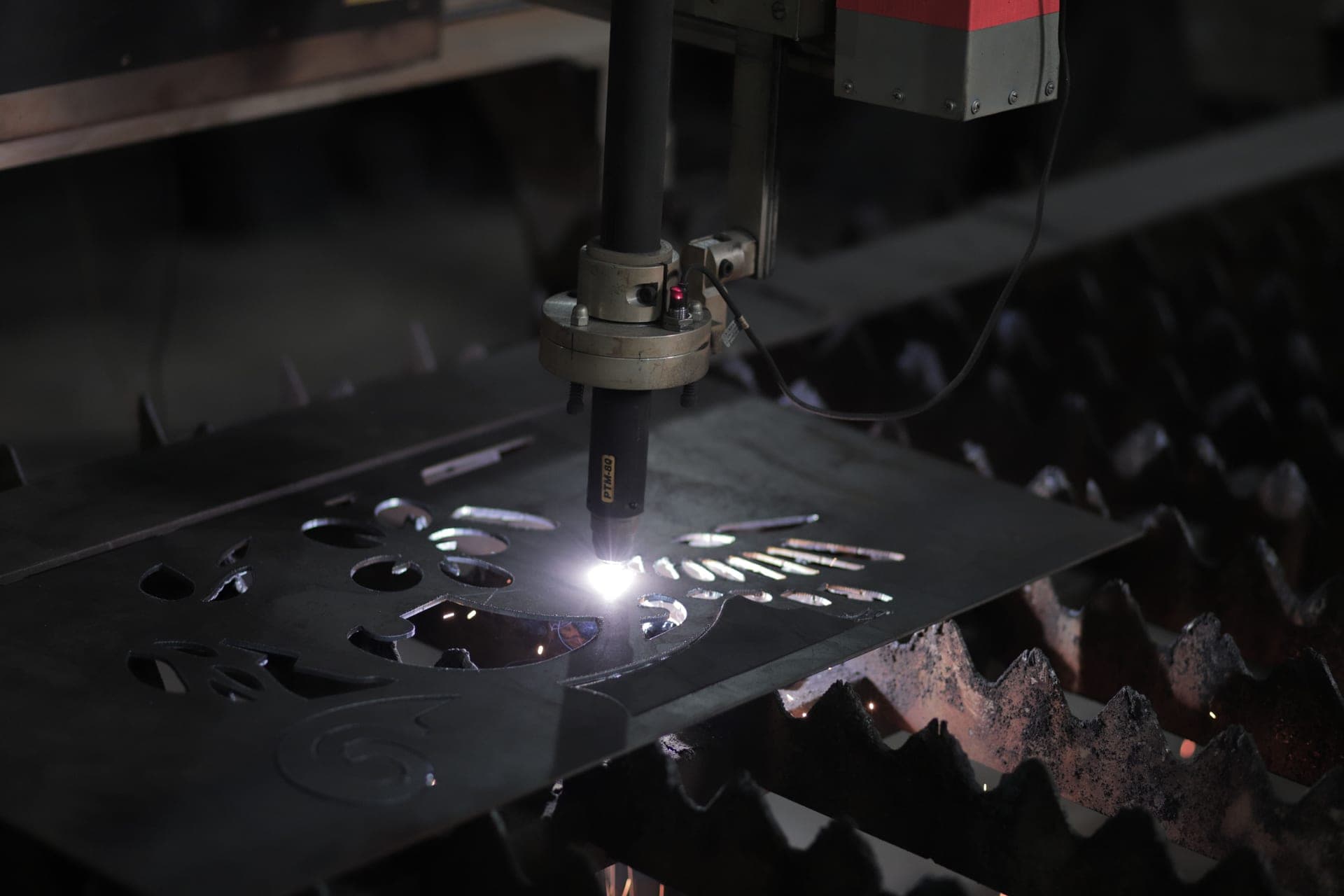
Quick picks
Tap any row to jump to the full write-up further down this page.
| # | Product | Best for | Price |
|---|---|---|---|
| 1 | YESWELDER CUT-55DSPilot arc and dual voltage at the bottom of the market. | Best value at the entry end | |
| 2 | Lotos LTP5000D5/8 inch clean cut with a pilot arc and a built-in pressure regulator. | Worth stretching for | |
| 3 | 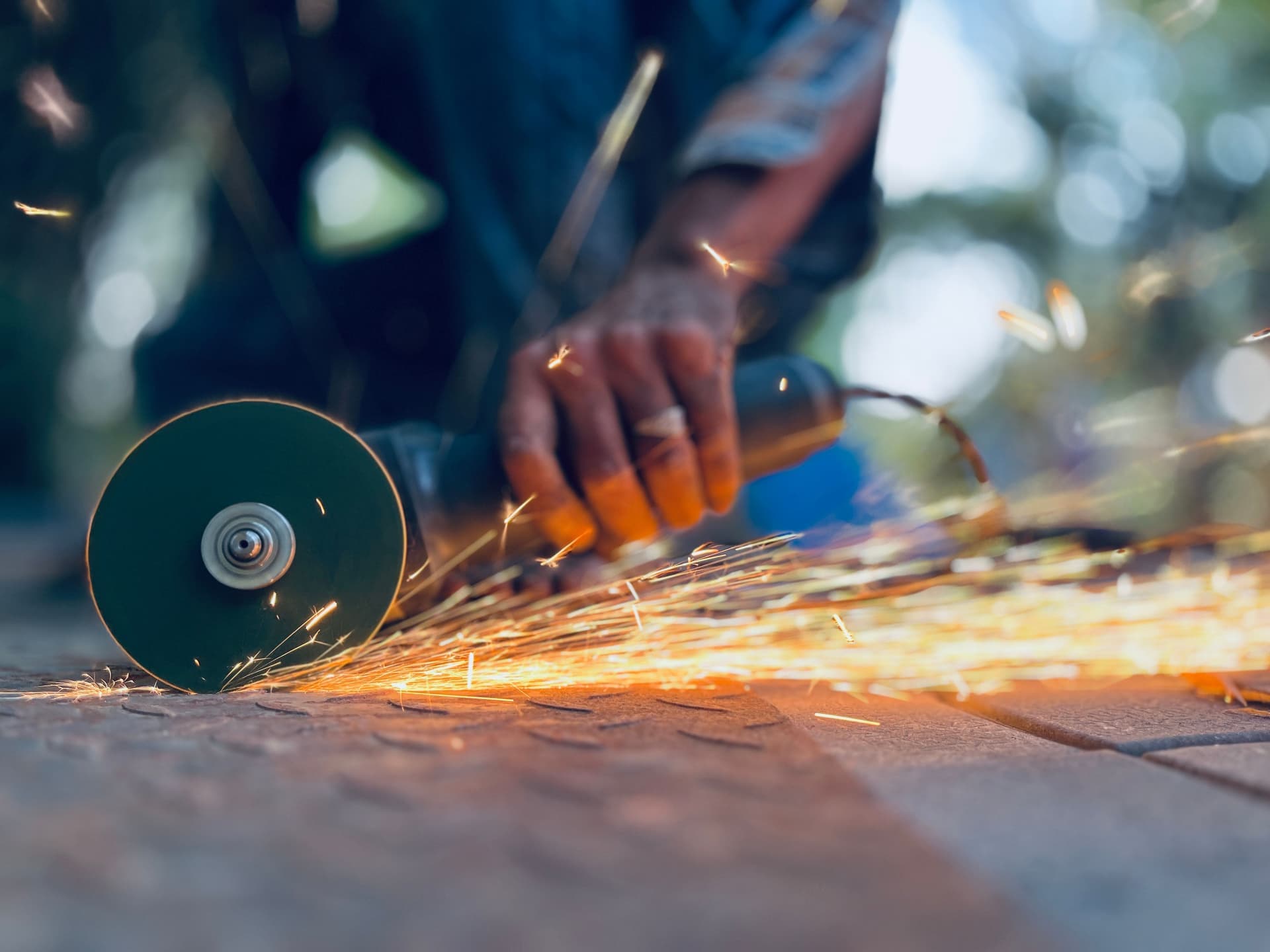 DeWalt DWE402 4-1/2 in angle grinderCuts stock to length perfectly well, for a fraction of any plasma cutter. | The alternative worth considering first |
Why there are no prices here
Arc & Bead has no live price feed, so any figure we printed would be a snapshot we could not keep current — and on a page people find by searching a bracket, that misleads in a way the reader cannot detect. Every button links to the current price at the retailer. What does not change is what these machines compromise.
The running-cost trap
More than any other machine on this site, a plasma cutter's purchase price is a poor guide to its cost.
Plasma cutters consume tips and electrodes continuously, and the difference in consumable life between budget and premium machines is large. A cheaper machine that wears through twice as many consumables can cost more over a couple of years.
Two things make it worse, and both are avoidable. Wet air shortens consumable life dramatically — a water separator is not optional. And the wrong standoff distance wears tips fast; drag-cutting tips exist specifically so you can rest the torch on the work and hold the distance consistently.
Before blaming consumables, check the air and the standoff.
What you genuinely give up
Consumable life and availability. The big one. Budget consumables wear faster and are less reliably stocked.
Unit-to-unit consistency. Owner reports at this end show more variation. Most machines are fine; the tail is longer.
Support. Thinner dealer networks and slower warranty handling.
Torch quality. The trigger, the lead flexibility and the ergonomics are where cost gets taken out, and you hold the torch for the whole job.
What you do not give up
Pilot arc. Now available at the bottom of the market, and it is the feature that decides whether the machine works on real material.
Dual voltage. Common at this end, so a 110-volt outlet gets you started.
Genuine cutting capacity. A 50-amp budget machine really does cut what it says on 240 volts. The numbers are not fictional.
The air question does not go away
A cheap plasma cutter with no compressor is not a cheap way into plasma cutting.
Every machine on this page needs external air, at the volume and pressure its specification states. A small pancake compressor will not sustain a 50-amp machine, and the result is a poor dross-heavy cut with rapid consumable wear.
If you do not own a capable compressor, price one before you price the cutter — and then compare the total against a machine with a built-in compressor, which often wins on total cost even though it costs more on its own.
Plasma cutter air requirements covers how to read the specification.
What to check before buying at this end
Does it have a pilot arc? If not, skip it. Touch-start on coated metal is a constant fight.
Are consumables available separately, and from whom? A machine whose consumables are hard to source becomes scrap when the supplied set runs out.
What are the published figures on YOUR voltage? Capacity on 110 volts is substantially lower than on 220, and headline figures always quote the higher one.
What air does it need, and can you supply it? This decides whether the machine works, not whether it is a good machine.
1. Best value at the entry end
YESWELDER CUT-55DS
Pilot arc and dual voltage at the bottom of the market.
YESWELDER publishes 55 amps with a non-touch pilot arc on 110 or 220 volts.
Pilot arc at this price is the notable part. It used to be a premium feature, and without it a machine stalls repeatedly on painted, rusty or galvanized metal — which is most of what a home shop actually cuts.
The compromise is consumable life and unit-to-unit consistency. Budget consumables wear faster, and owner reports show more variation between machines than from established brands.
What works
- Pilot arc at the bottom of the market, which used to mean paying twice as much
- Dual voltage, so a 110 V outlet gets you started
What does not
- Consumables are the running cost and they do not last like the name brands
- Owner feedback reports more variation between units than the established brands
2. Worth stretching for
Lotos LTP5000D
5/8 inch clean cut with a pilot arc and a built-in pressure regulator.
Lotos publishes 10 to 50 amps on 220/240 volts, a 5/8 inch ideal clean cut falling to 3/8 inch on 110 volts, 3/4 inch severance, a non-touch pilot arc and a built-in pressure regulator.
The built-in regulator is quietly useful at this end: it means one less thing to buy and one less place for the air supply to go wrong.
Consumable life is still shorter than Hypertherm's, and it still needs a real external compressor.
What works
- Pilot arc means it will start on painted, rusty or galvanized material where a touch-start machine stalls
- 5/8 in clean cut on 240 V is more capacity than most home shops will ever use
- Dual voltage with a switch rather than a different machine
What does not
- You must supply clean dry air. A small pancake compressor will not keep up, and wet air destroys consumables fast
- On a 110 V outlet you lose a third of the output and half the thickness
- Consumable life is noticeably shorter than Hypertherm's, and the running cost shows it
3. The alternative worth considering first
DeWalt DWE402 4-1/2 in angle grinder
Cuts stock to length perfectly well, for a fraction of any plasma cutter.
At the entry end of the plasma market, the honest question is whether you need a plasma cutter at all.
A grinder with cut-off wheels handles straight cuts in thin stock, needs no air and no dedicated circuit, and costs a small fraction of any machine here. If most of your cutting is stock to length, that is the answer.
What it cannot do is follow a curve. That is what plasma buys, and it is worth being honest about whether you need it.
What works
- Every weld needs prep and cleanup, so this earns its place from your first day regardless of process
- Cut-off, grinding and wire-wheel discs all fit the same tool
- No air, no gas, no dedicated circuit
What does not
- Slow and physical on anything thicker than about 1/4 in
- Cannot follow a curve accurately — that is the thing a plasma cutter buys you
- Makes far more mess and noise than plasma cutting
Questions people actually ask
Why do you not show prices?
Because this site has no live price feed, so any figure we published would be a snapshot we could not keep current.
On a page people find by searching a price bracket that is especially misleading, so every button links to the retailer's current price.
Is a cheap plasma cutter worth buying?
If it has a pilot arc and consumables you can actually source, yes — within its limits. The cutting capacity figures at this end are genuine.
What makes a cheap machine expensive is consumable life, which is where most of the cost difference actually sits.
What makes plasma consumables wear out fast?
Wet air is the biggest cause — a compressor tank collects water, and moisture in the plasma stream destroys tips and electrodes quickly. A water separator is not optional.
The wrong standoff distance is second. Drag-cutting tips exist so you can rest the torch on the work and hold the distance consistently.
Can I cut with a plasma cutter on a 110V outlet?
Yes, with substantially reduced capacity. The Lotos LTP5000D, for example, publishes 10 to 35 amps and a 3/8 inch clean cut on 110 volts against 10 to 50 amps and 5/8 inch on 220 volts.
If capacity is why you are buying, you need the 240-volt circuit.
Do I need a plasma cutter at all?
If most of your cutting is stock to length in thin material, an angle grinder with cut-off wheels does it for a fraction of the cost and needs no air.
Plasma earns its place when you are cutting shapes — curves, holes, profiles — rather than lengths.
Sources
Read next
- The best plasma cutters for home use
Home-shop machines, why the compressor is the real purchase, and how to read cut-capacity numbers.
- Plasma cutter air requirements
How to read CFM and PSI, why tank size is not the answer, and what a compressor must sustain.
- Plasma cutter vs angle grinder
An angle grinder cuts lengths; plasma cuts shapes. The one question that settles it.
- The best plasma cutters with a built-in air compressor
Internal-compressor machines: what you trade in capacity, and when that trade is right.
- Level 4 · Plasma: cutting as accurately as you weld
The only rung on this ladder that is about shaping metal rather than joining it — and the one where the machine is the smaller half of the purchase.
Back to Level 4 · Plasma, or start over at Find Your Level.
Ryder M.
Ryder M. is the hands-on owner behind Magoo Media Group. He writes Arc & Bead's buying guides and picks every machine on the site. What every recommendation is based on — and what it is not based on — is set out on How We Pick.